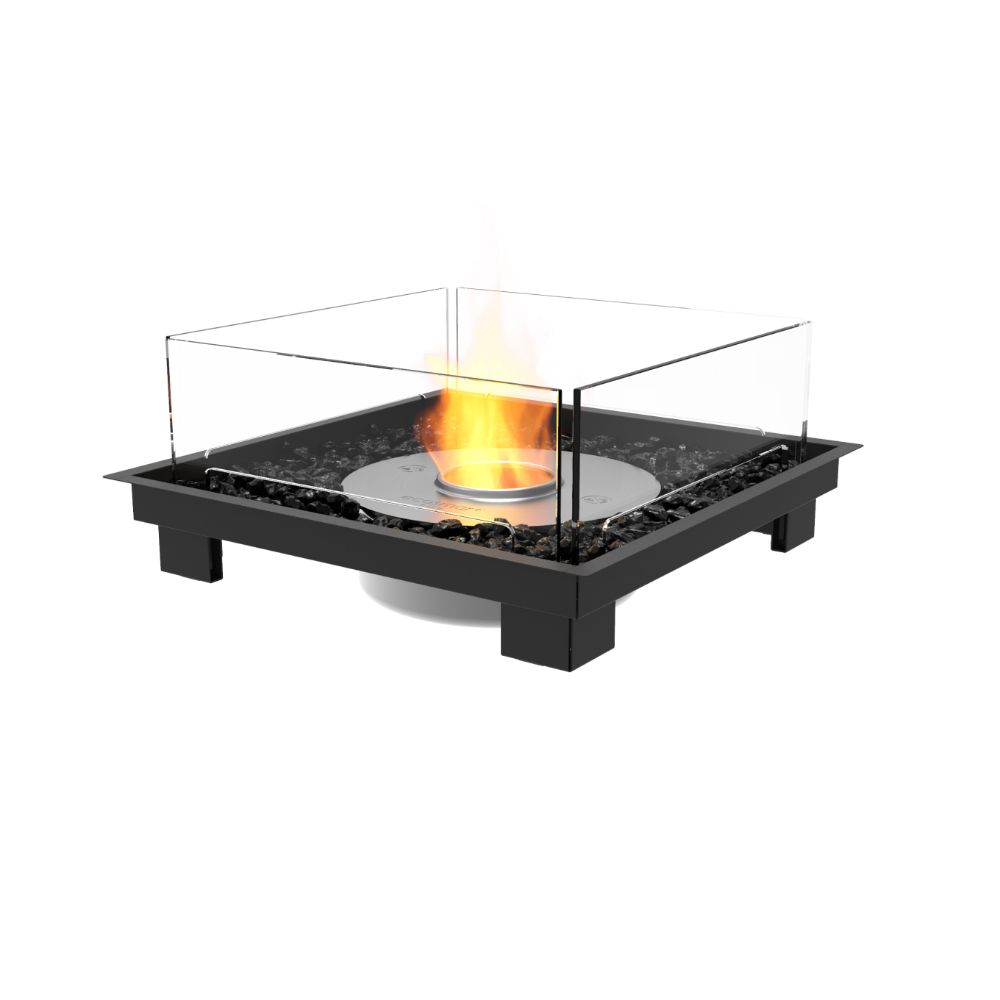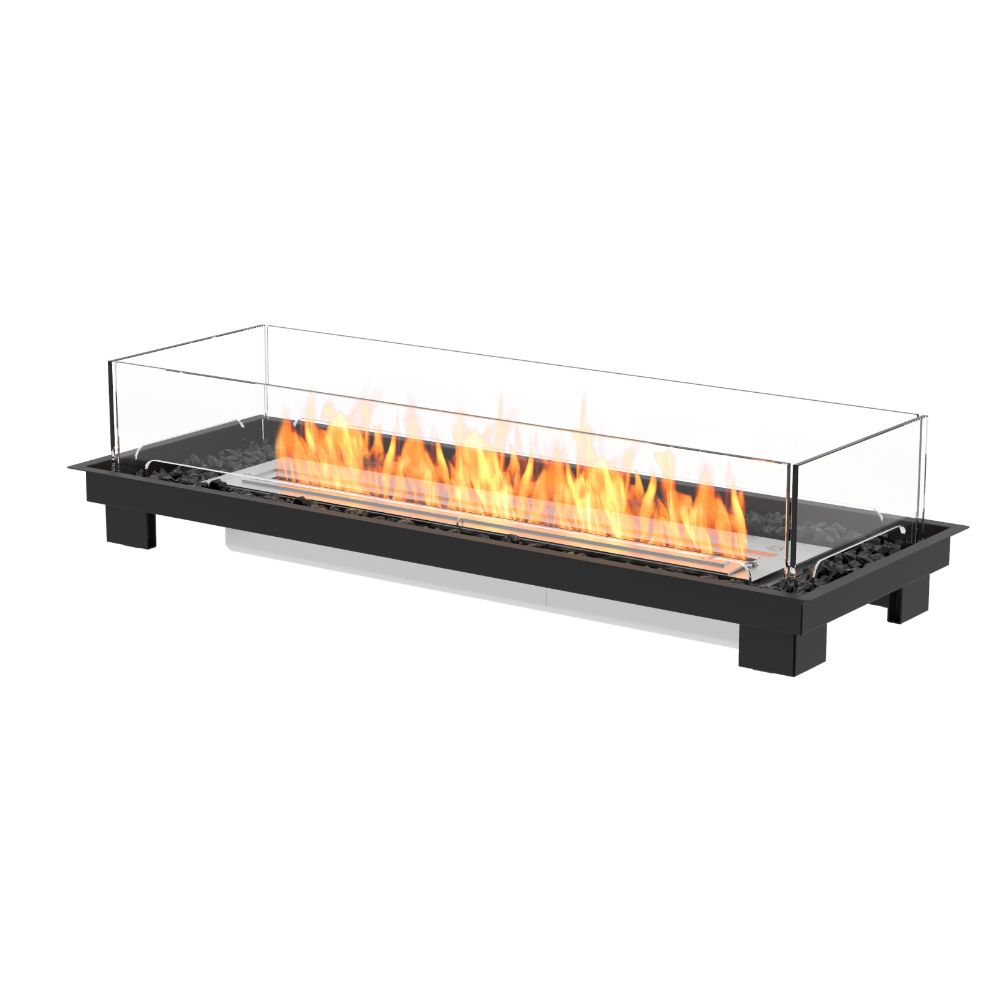

Bio Ethanol Fireplaces For Sale
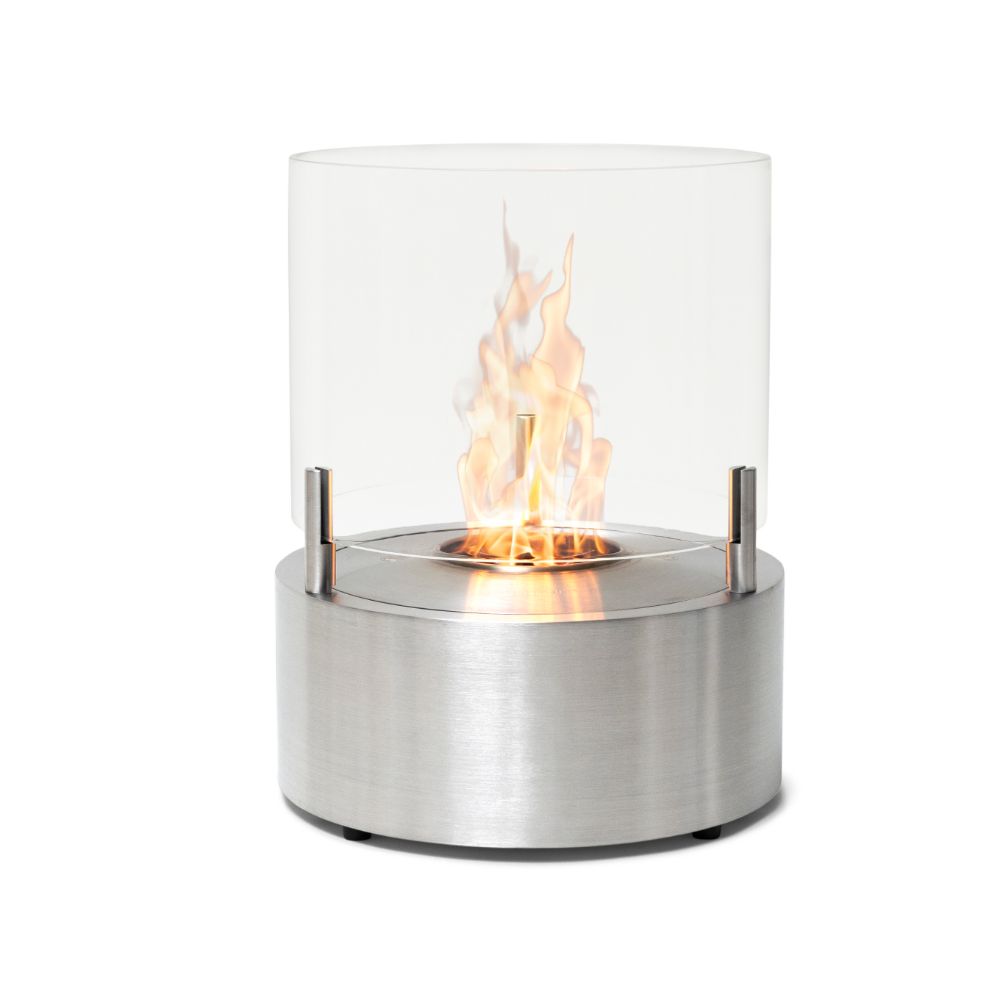
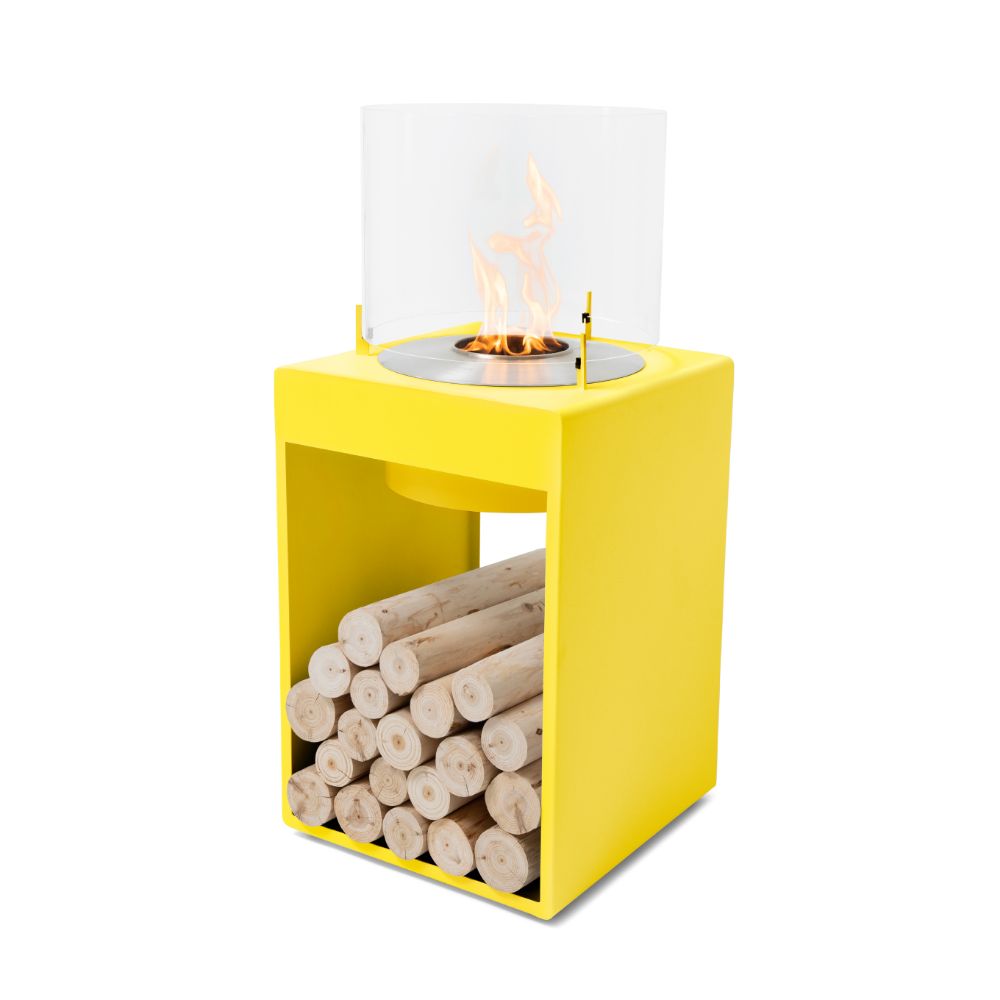
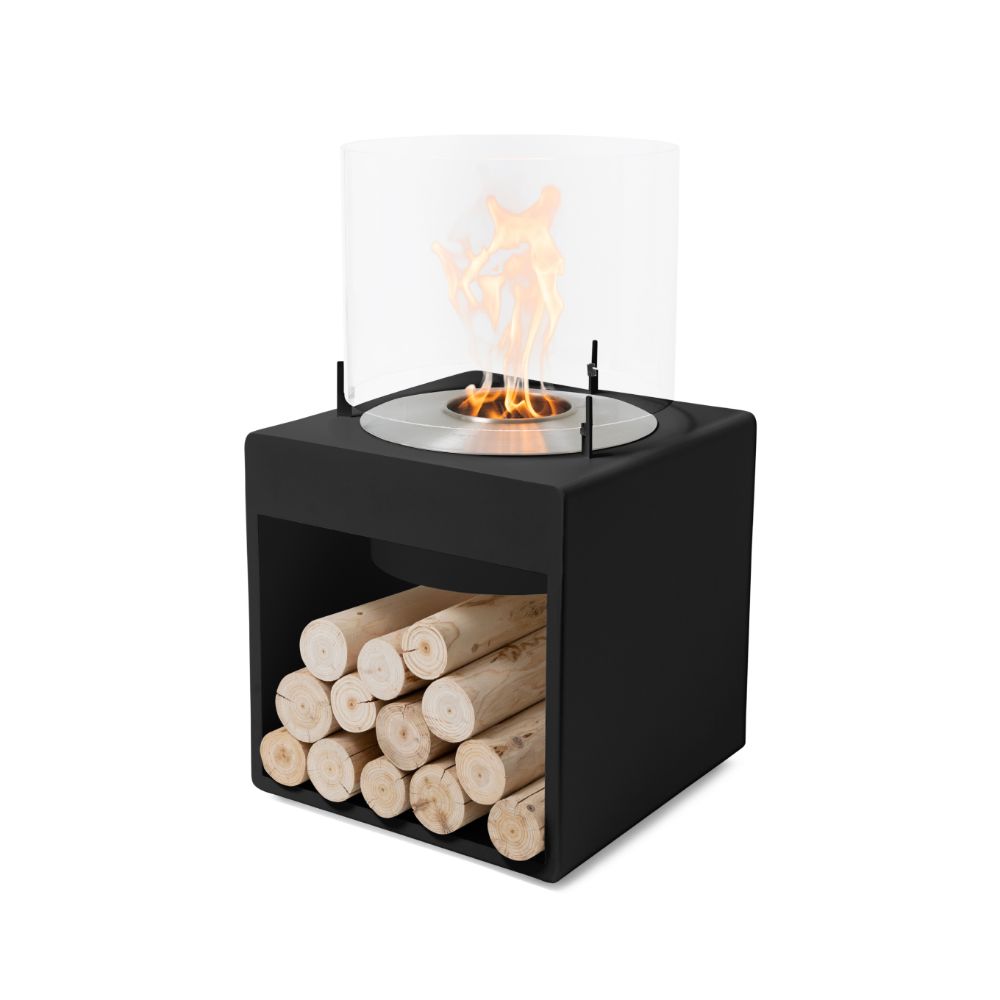
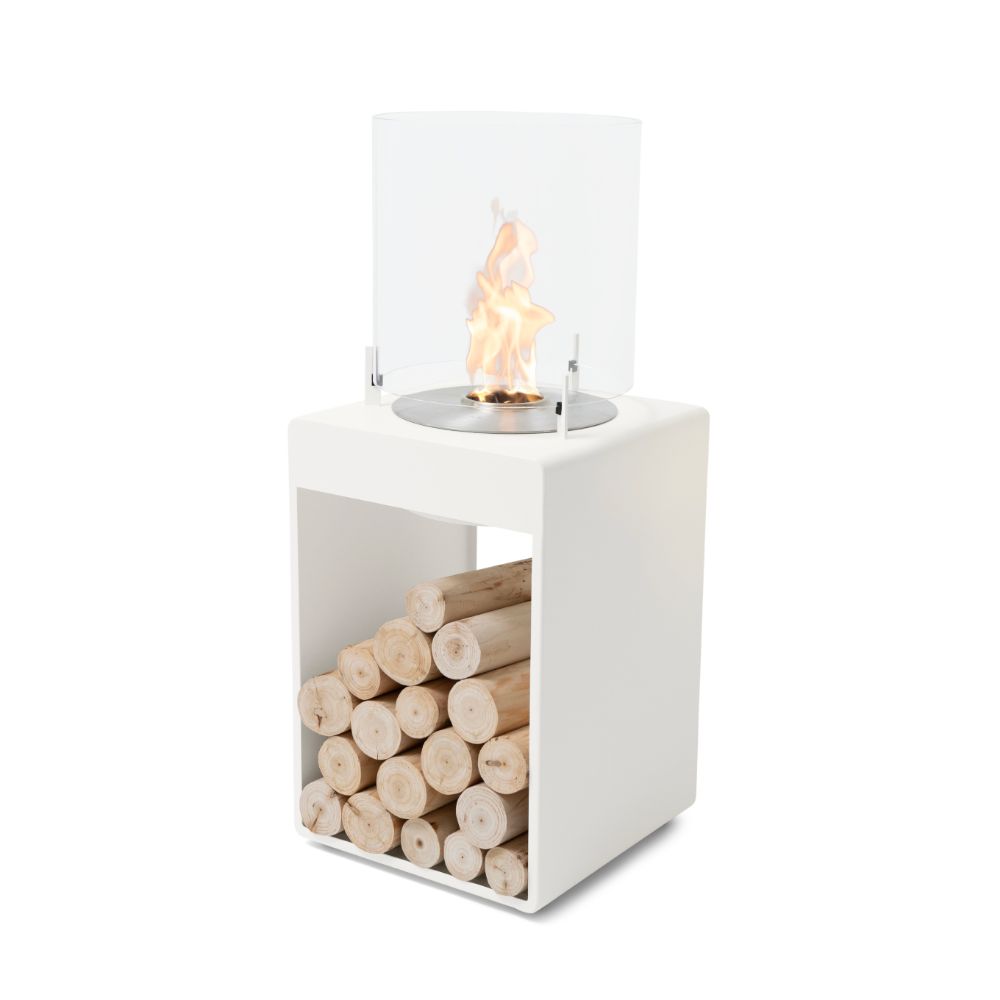
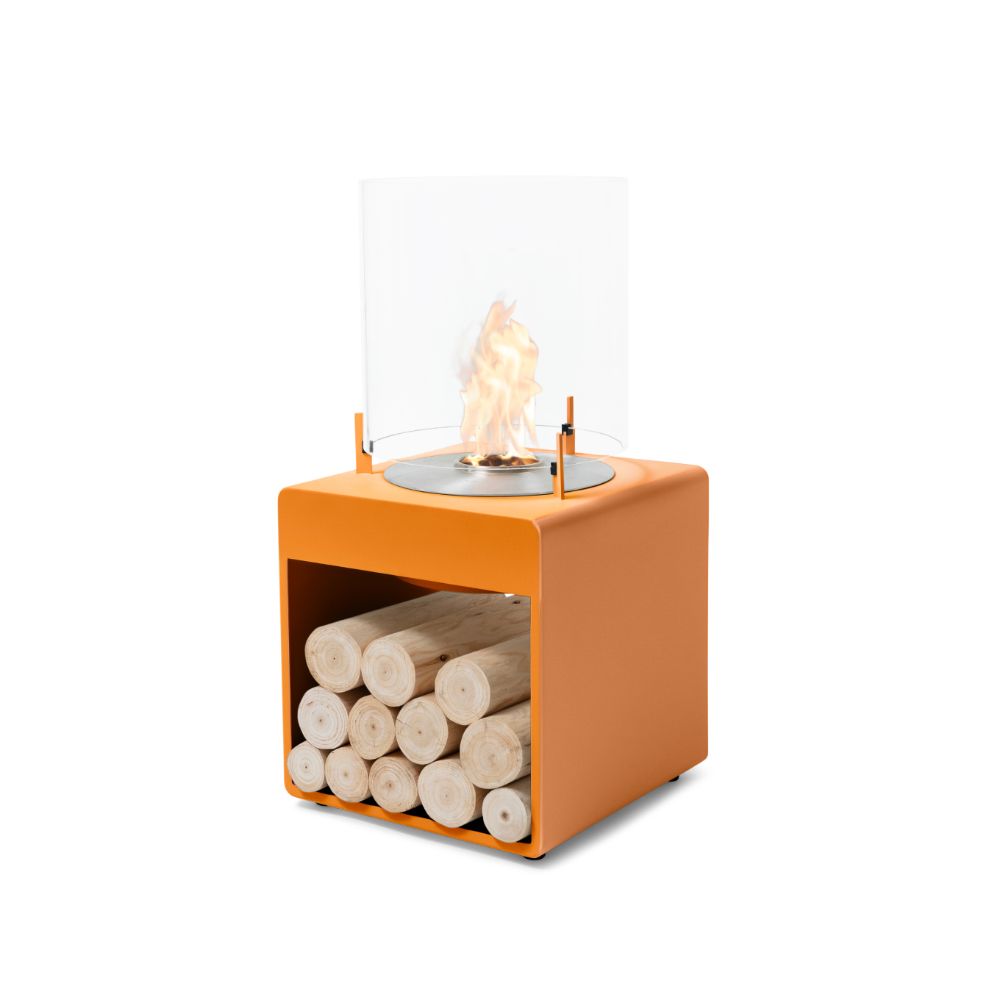
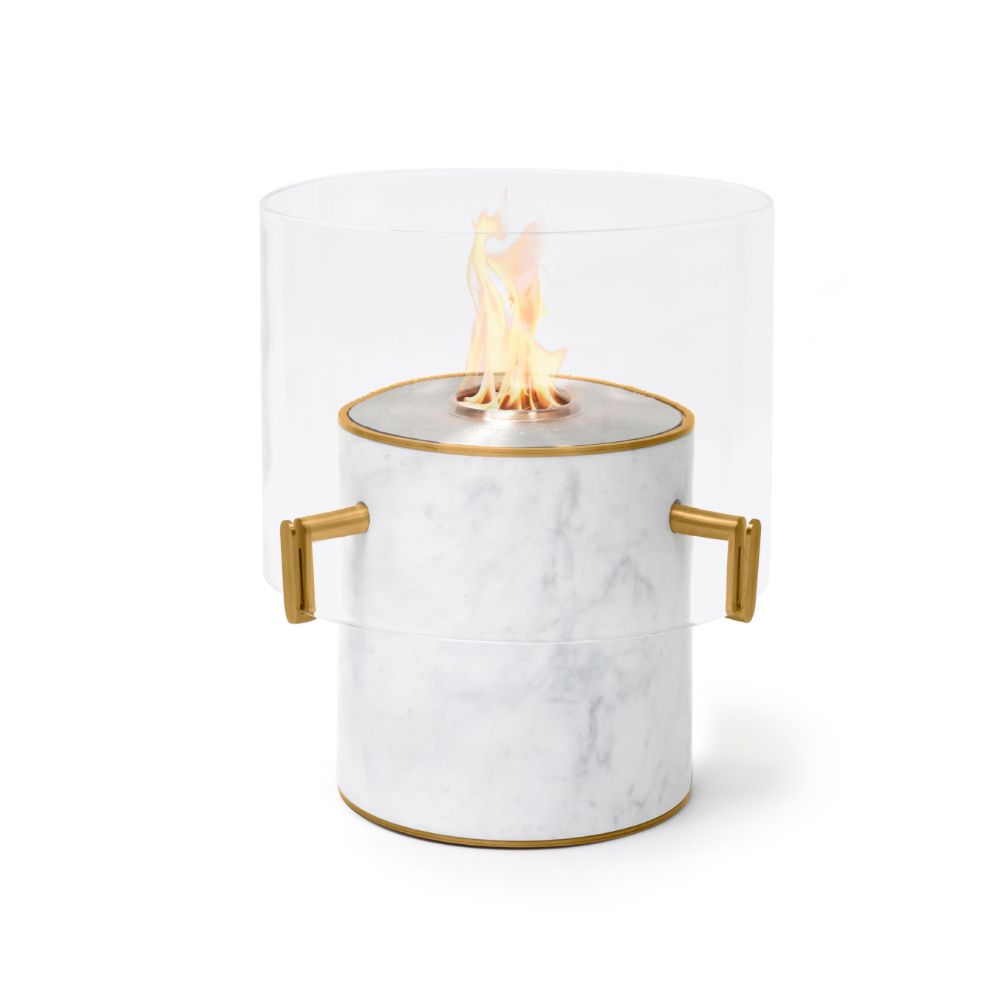
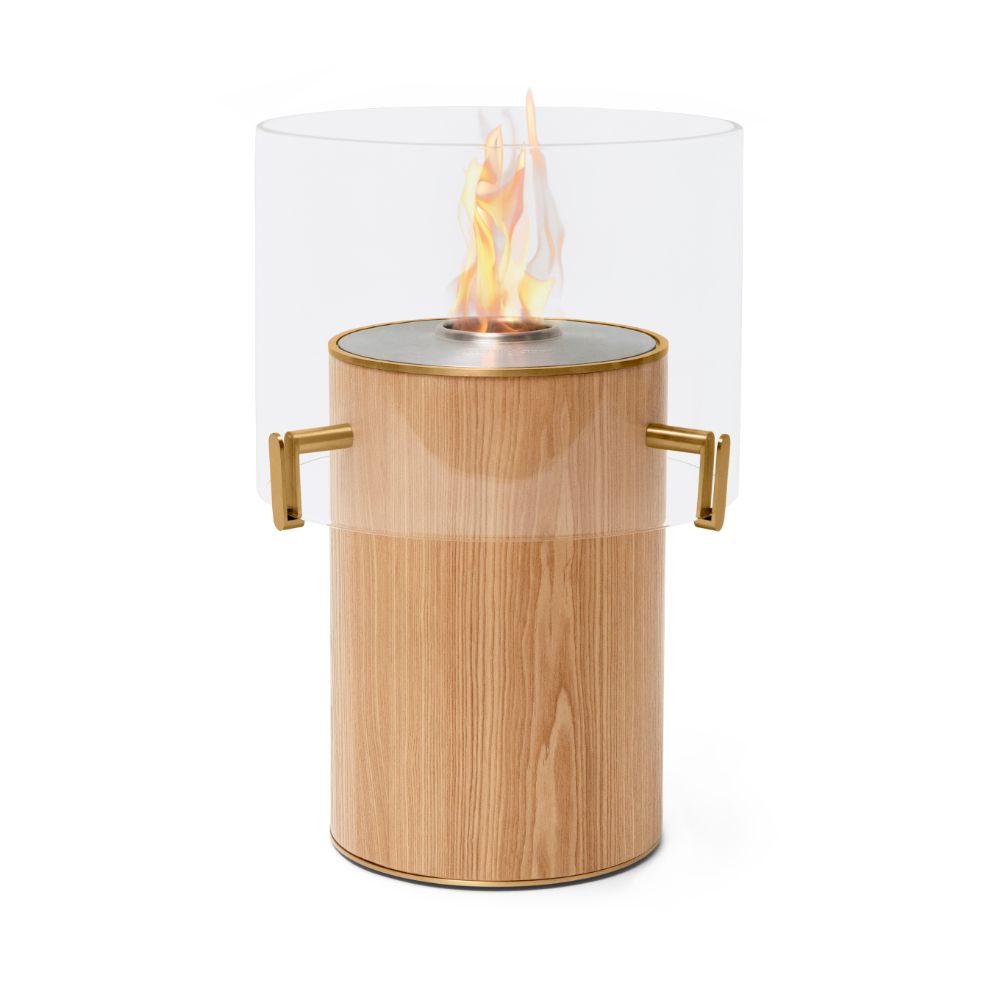
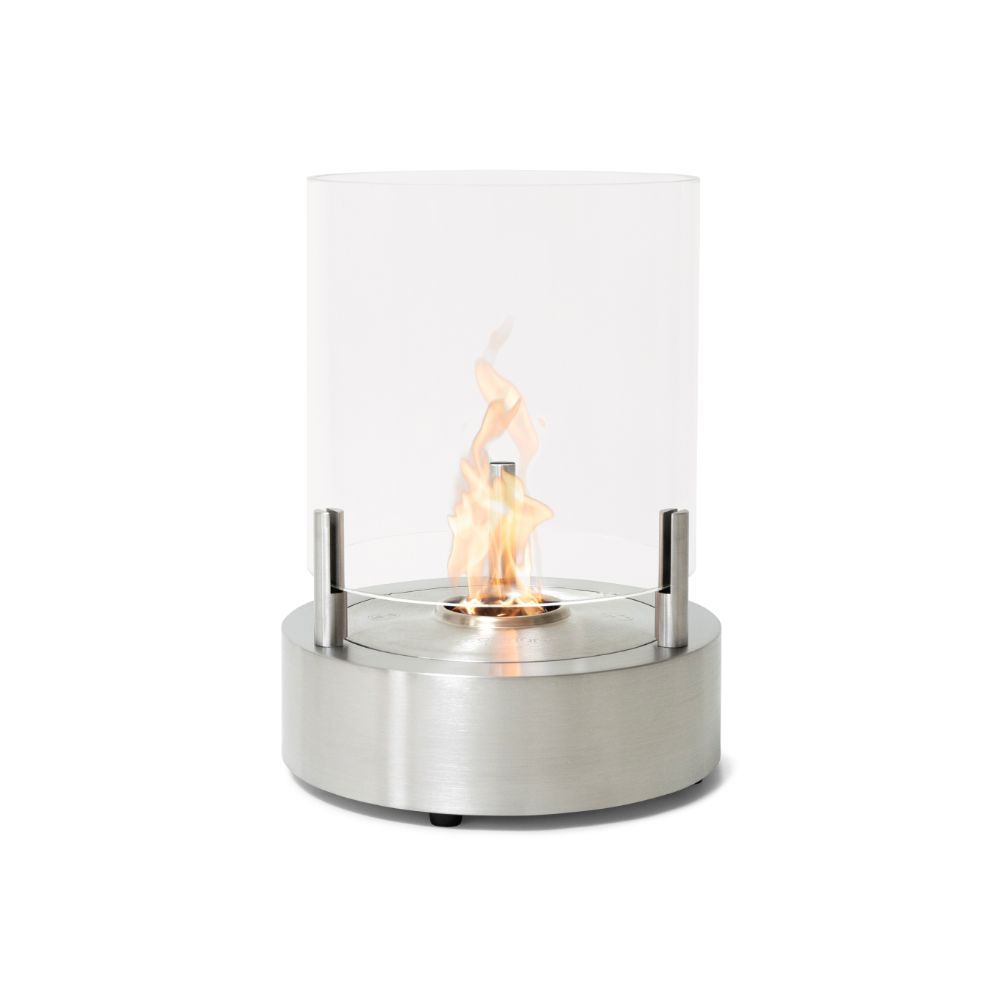
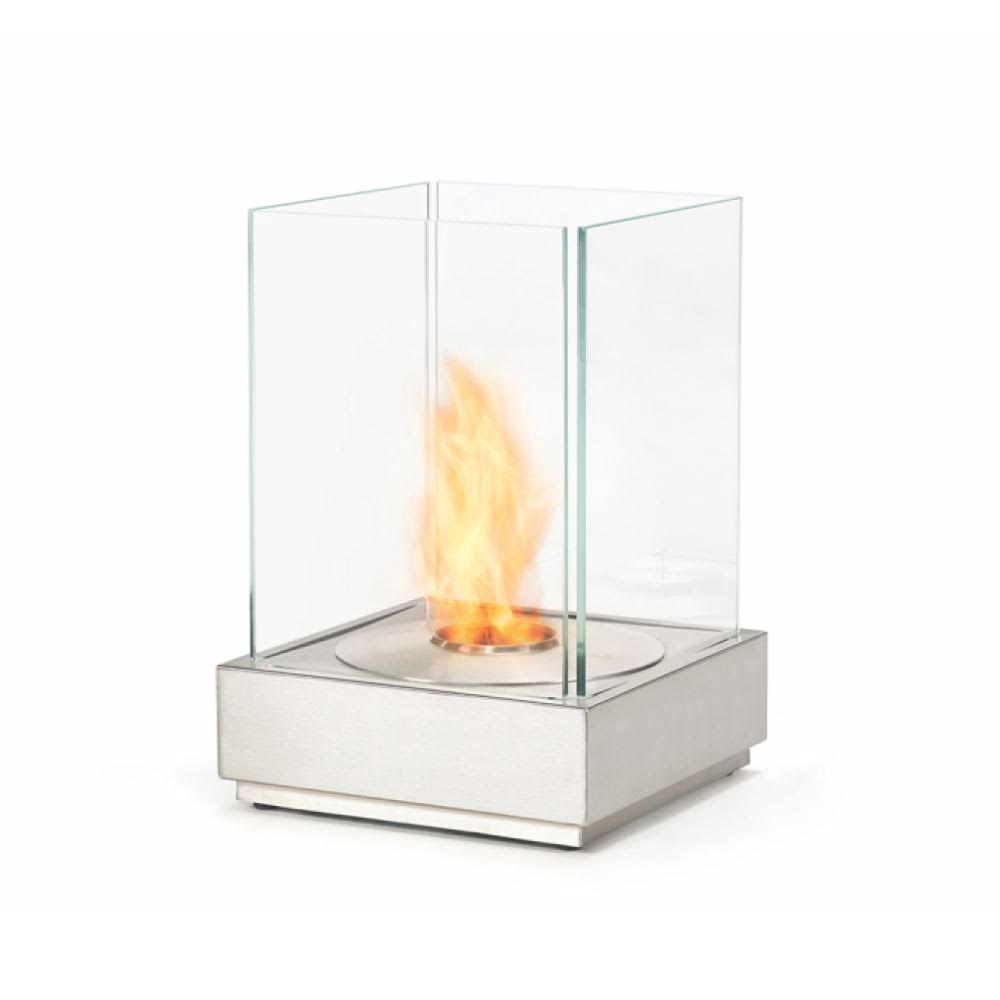
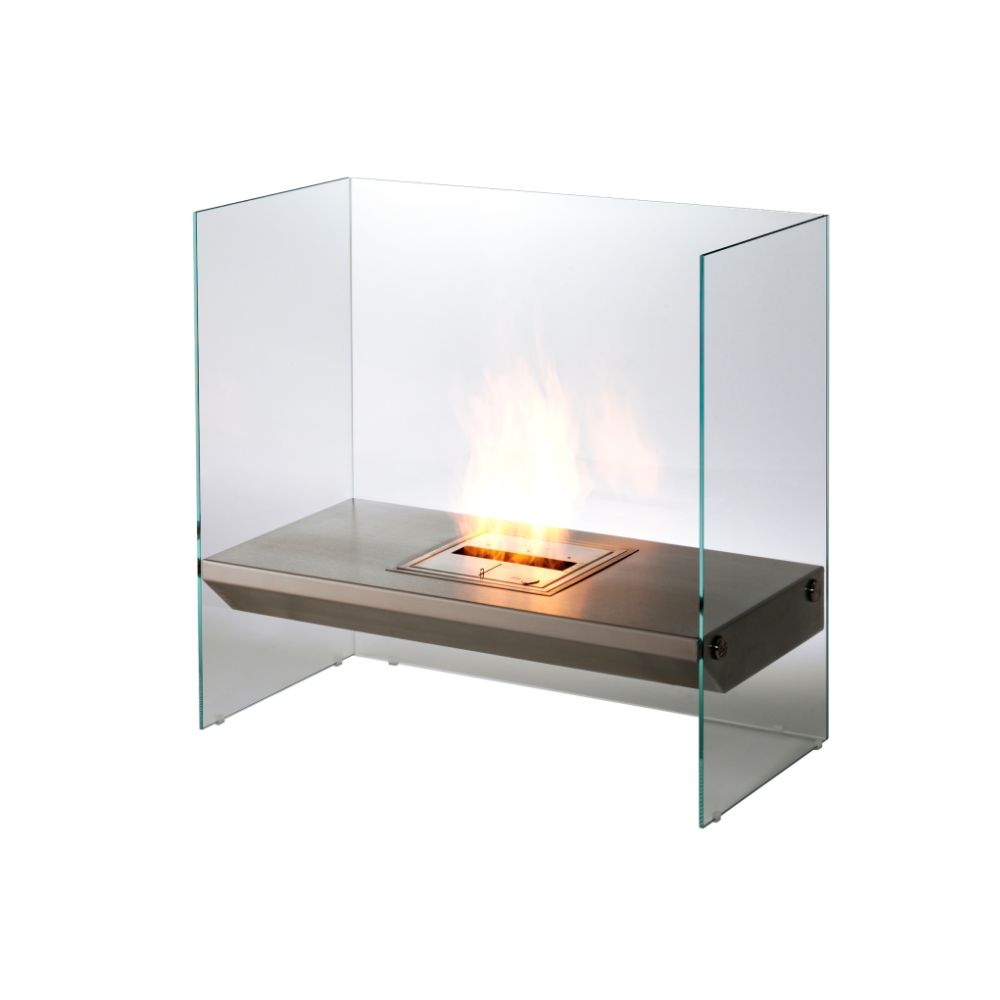
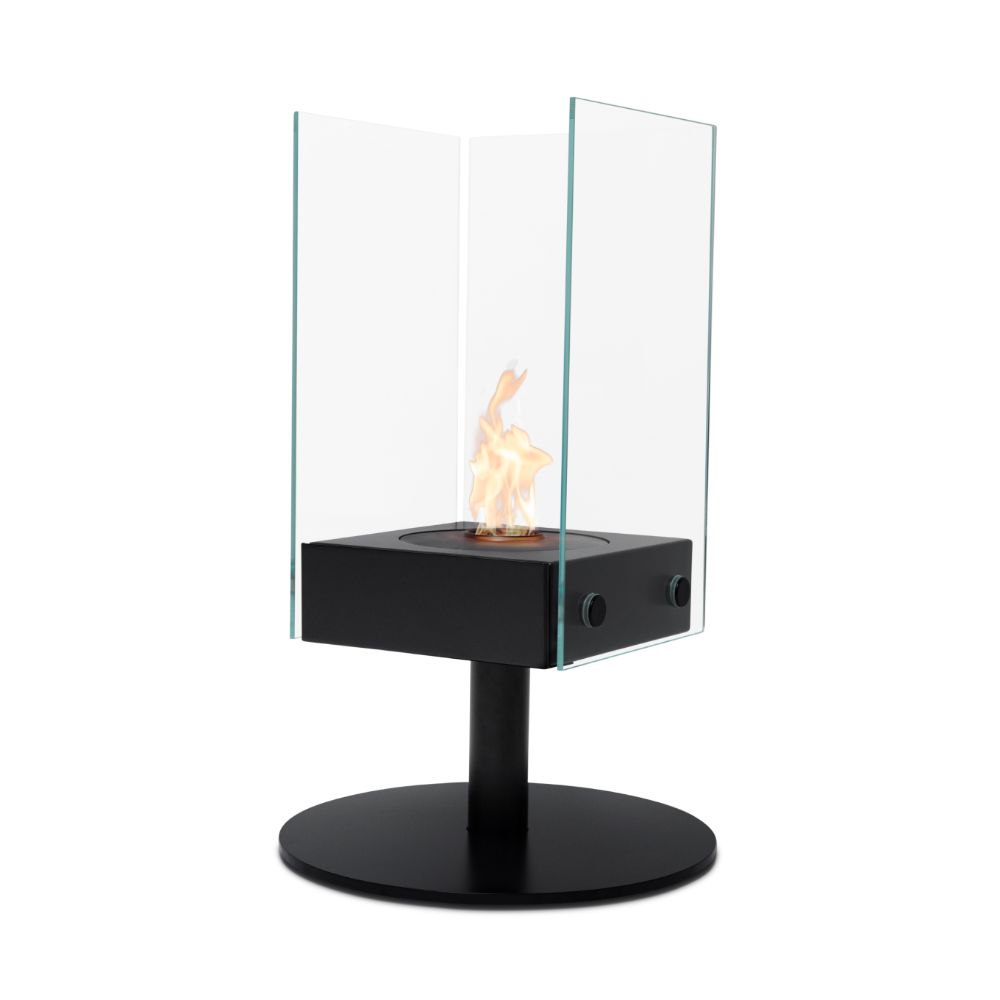
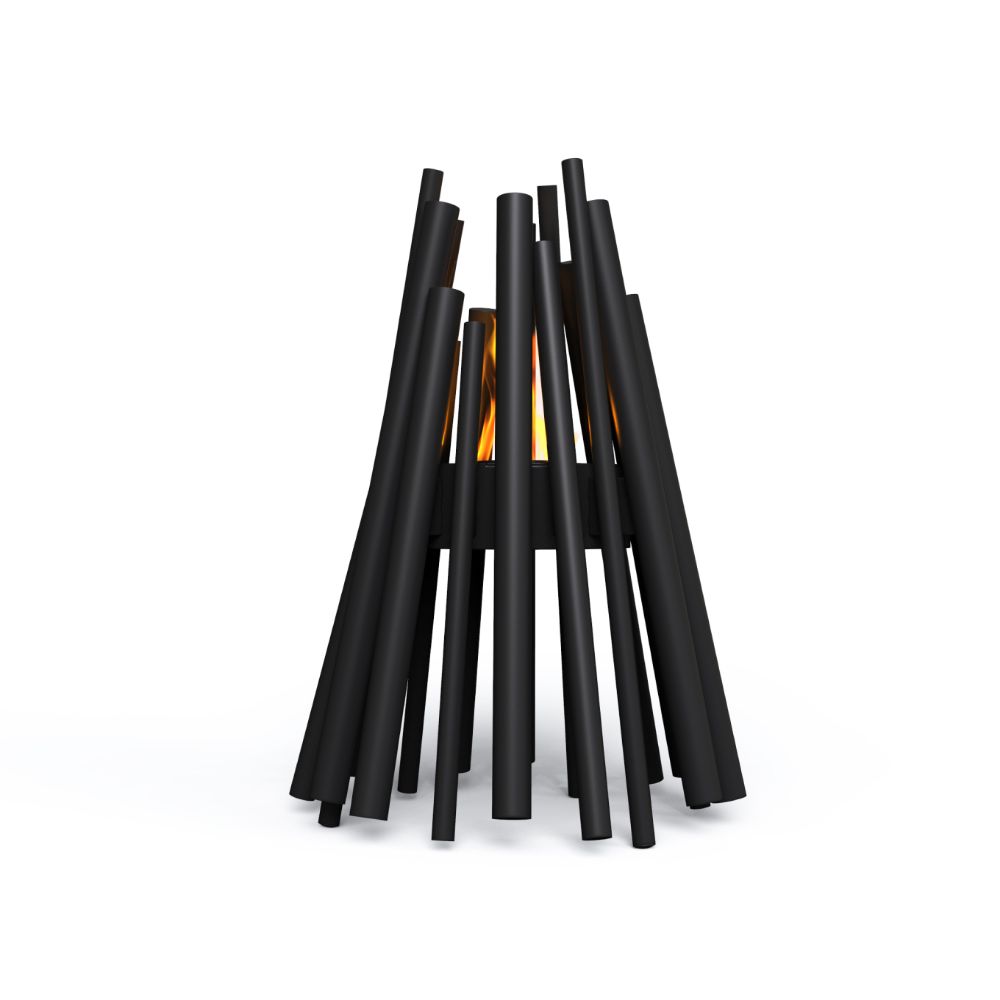
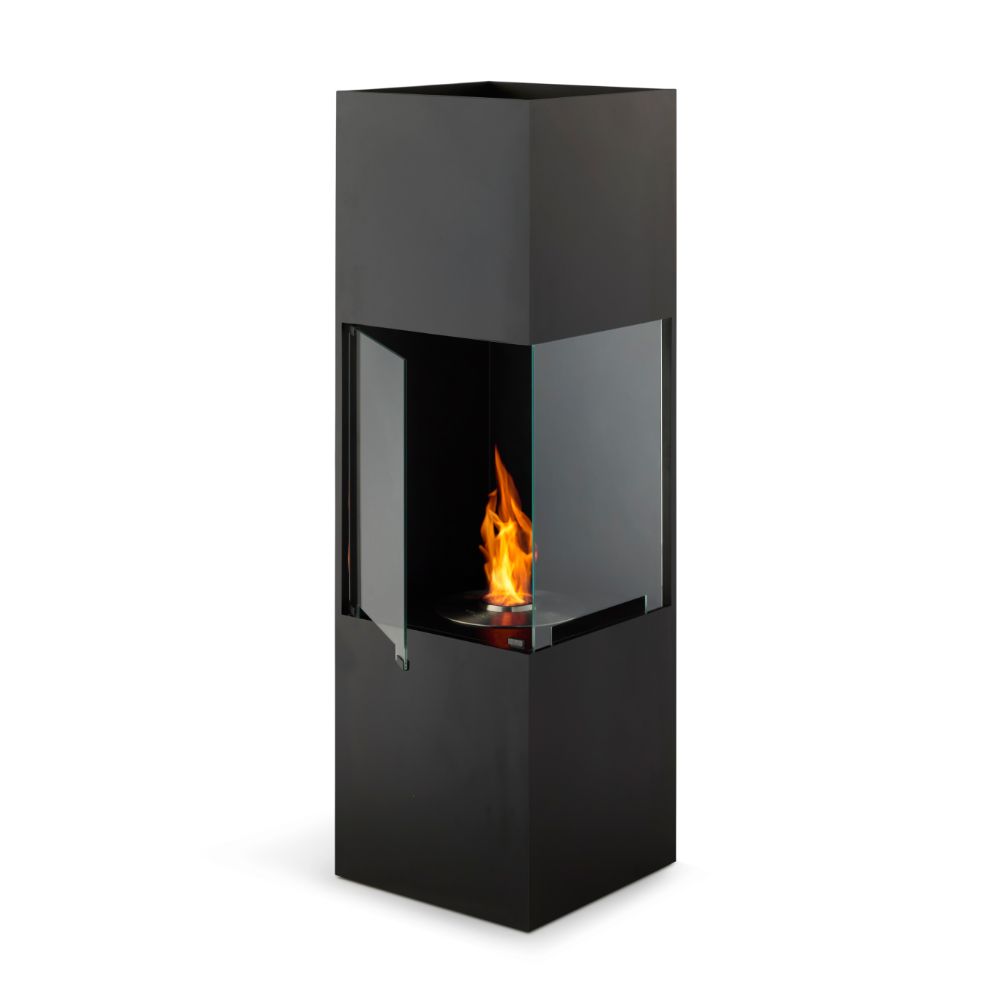
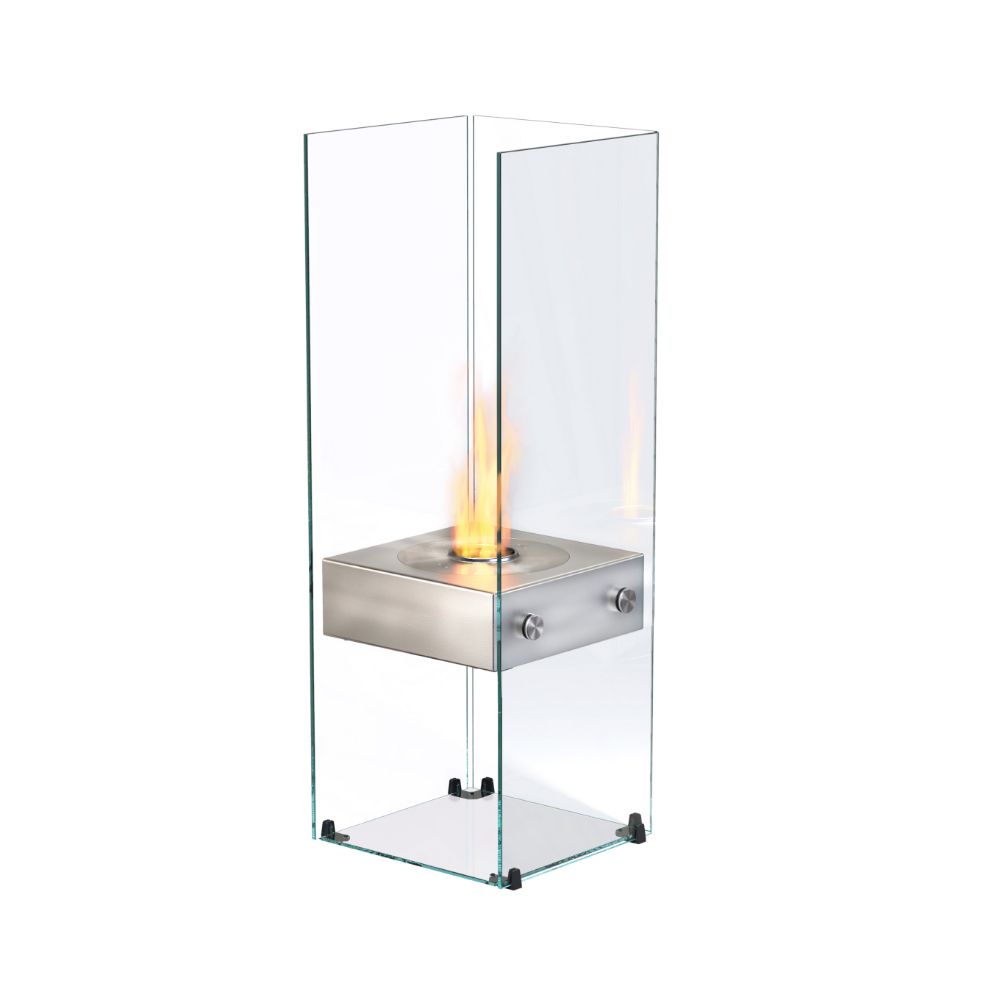
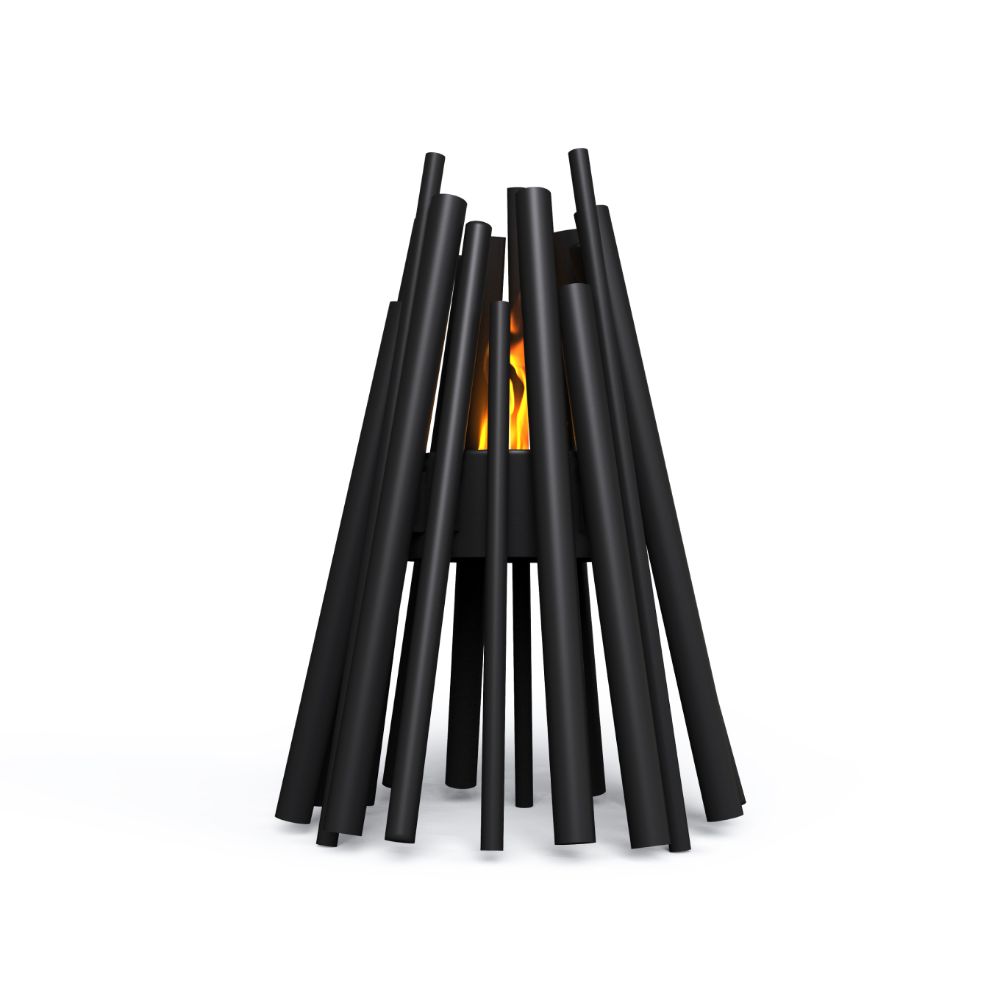
An ethanol fireplace produces a real flame with no chimney, no gas line, and no flue - the only real-flame fireplace technology installable in apartments, heritage buildings, and new builds...

A Chama Project - prefabricated firebox with ethanol burner.

A Chama Project - Chama Custom Fireplace using a 'drop-in' ethanol burner.
Need help choosing an Ethanol Fireplace?
Answer a few quick questions and get a personalised recommendation.
Find My MatchEthanol Fireplace 'Drop-in' Inserts
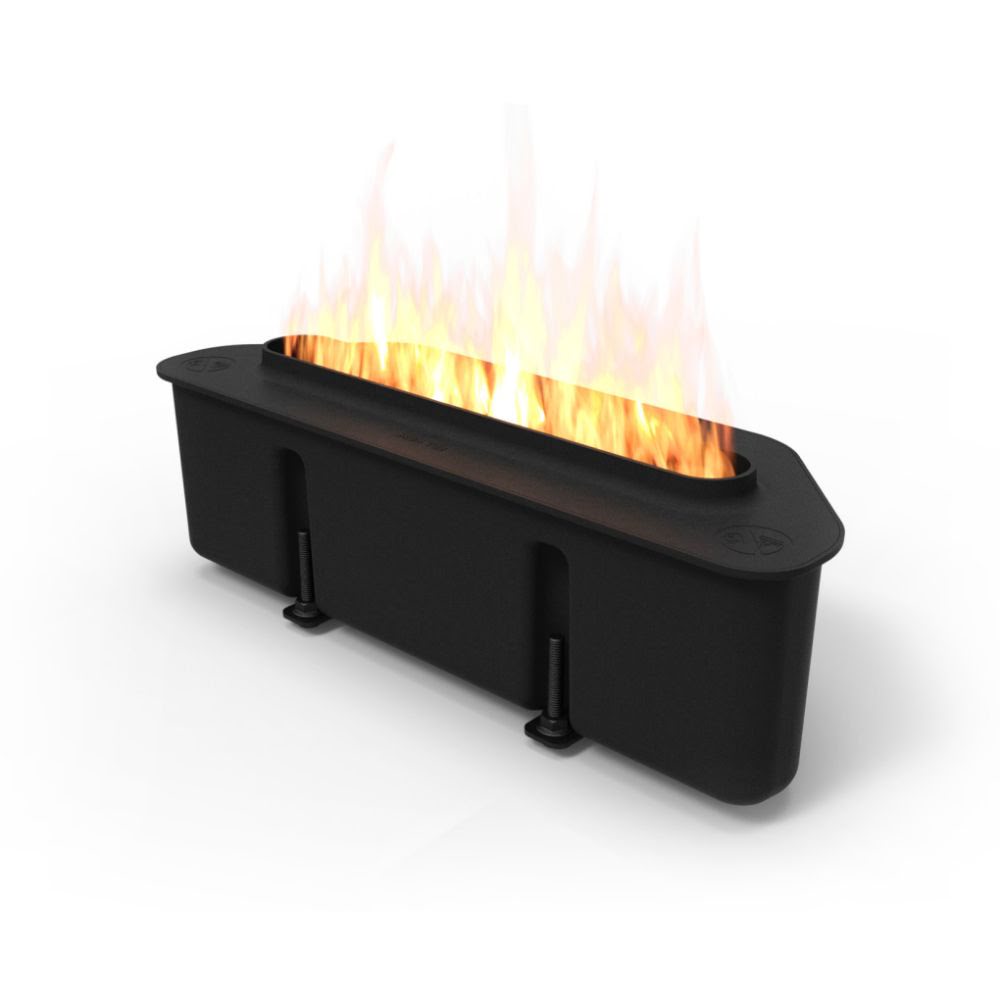
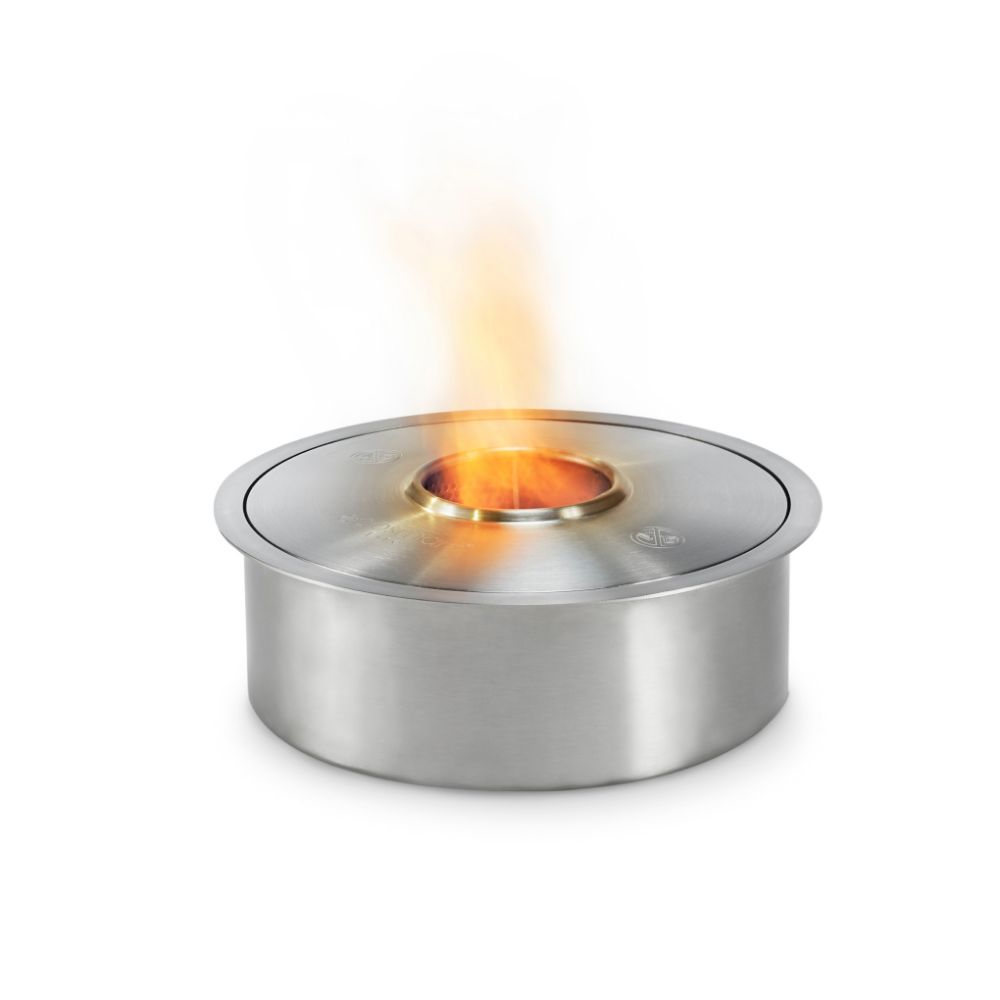
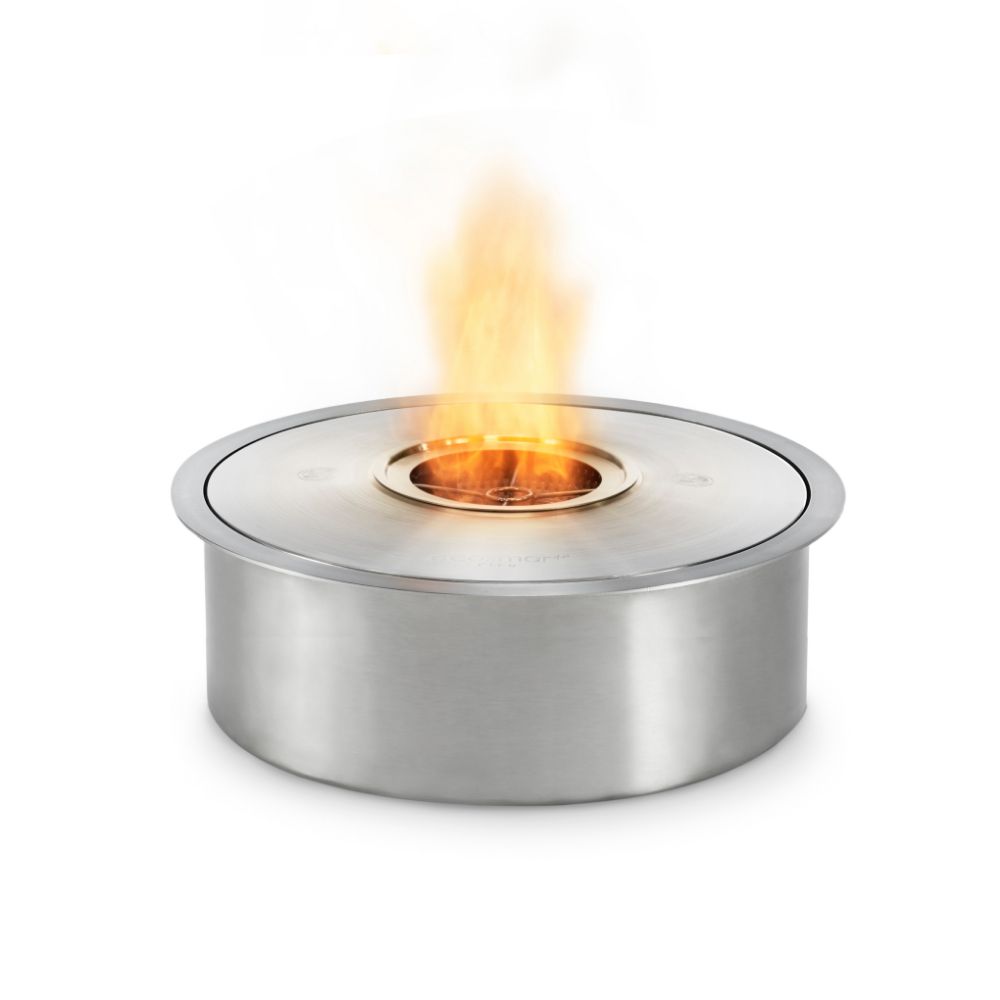
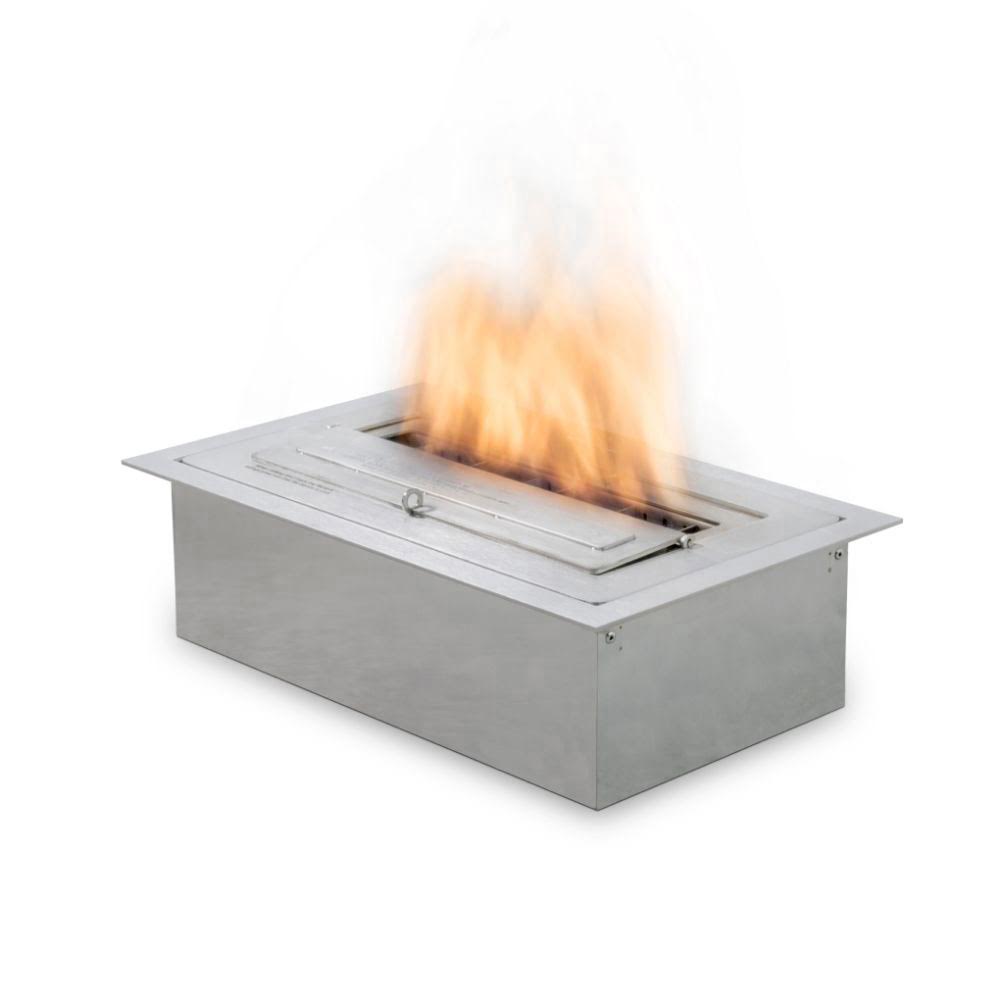
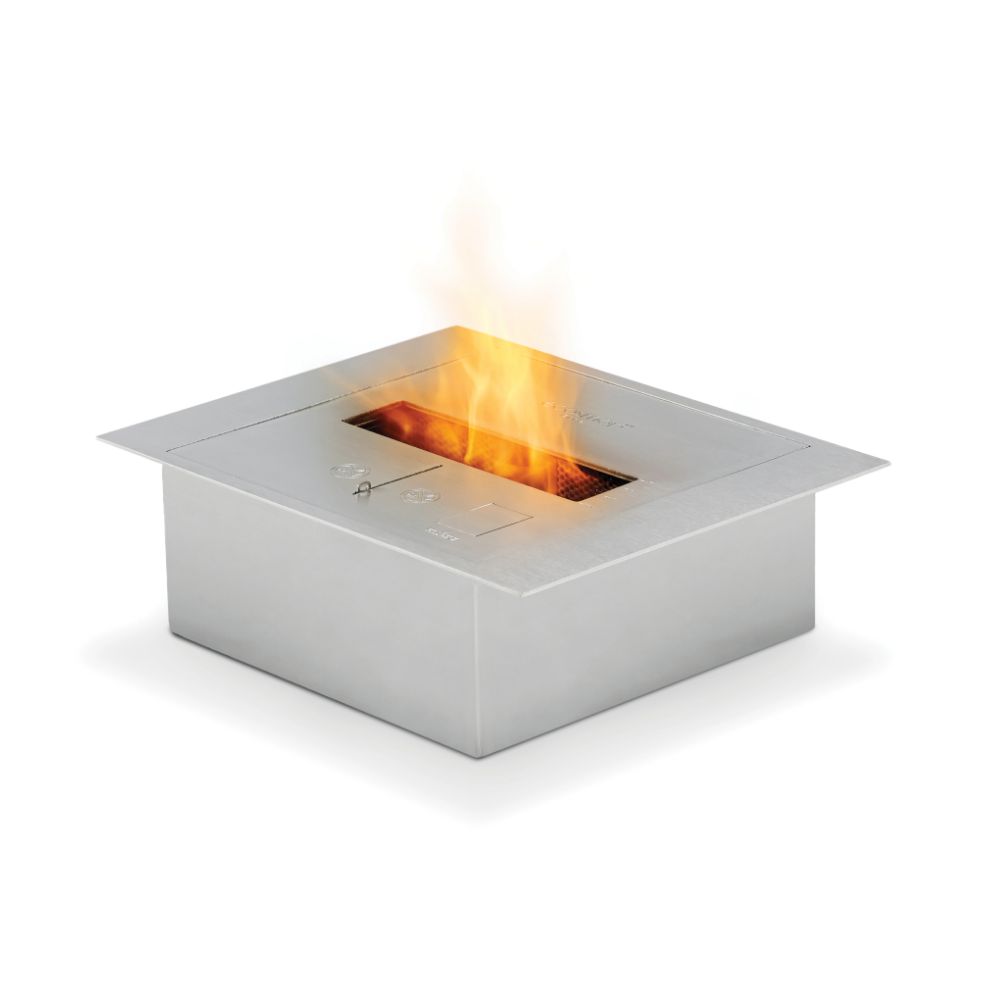
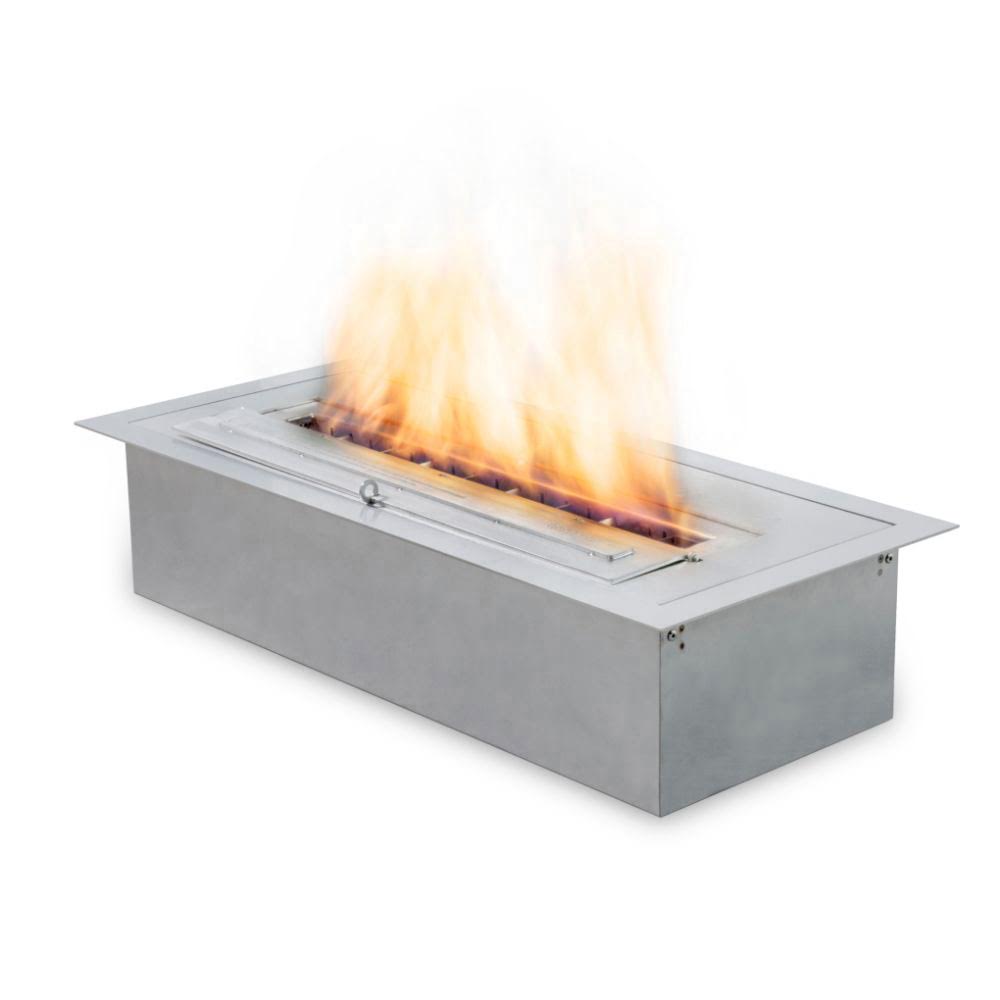
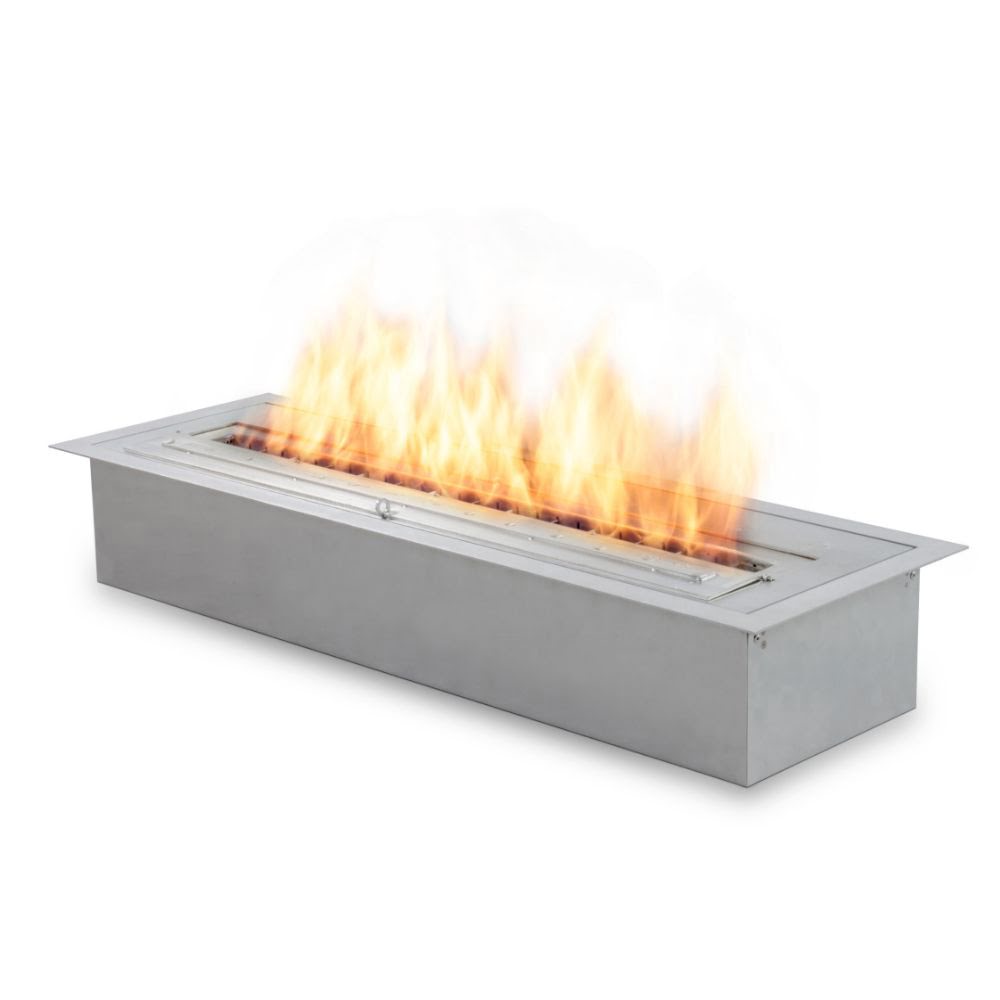
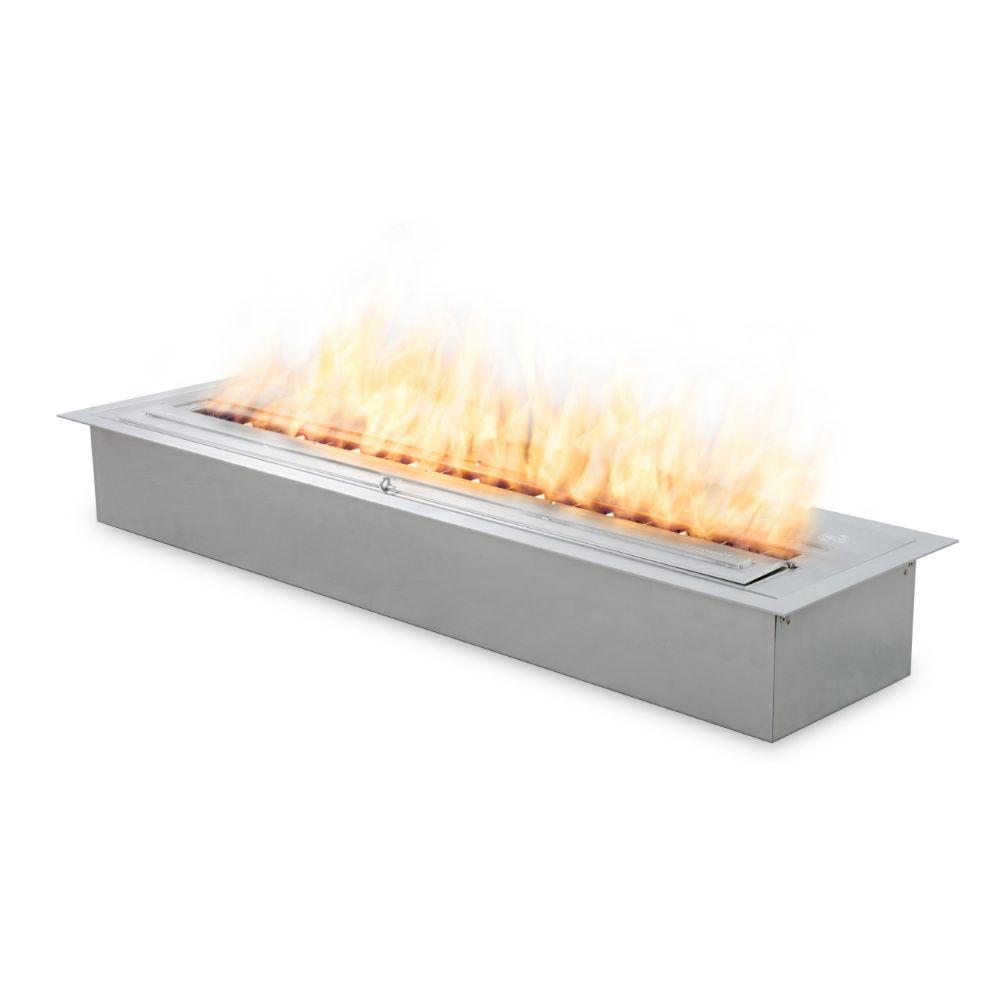
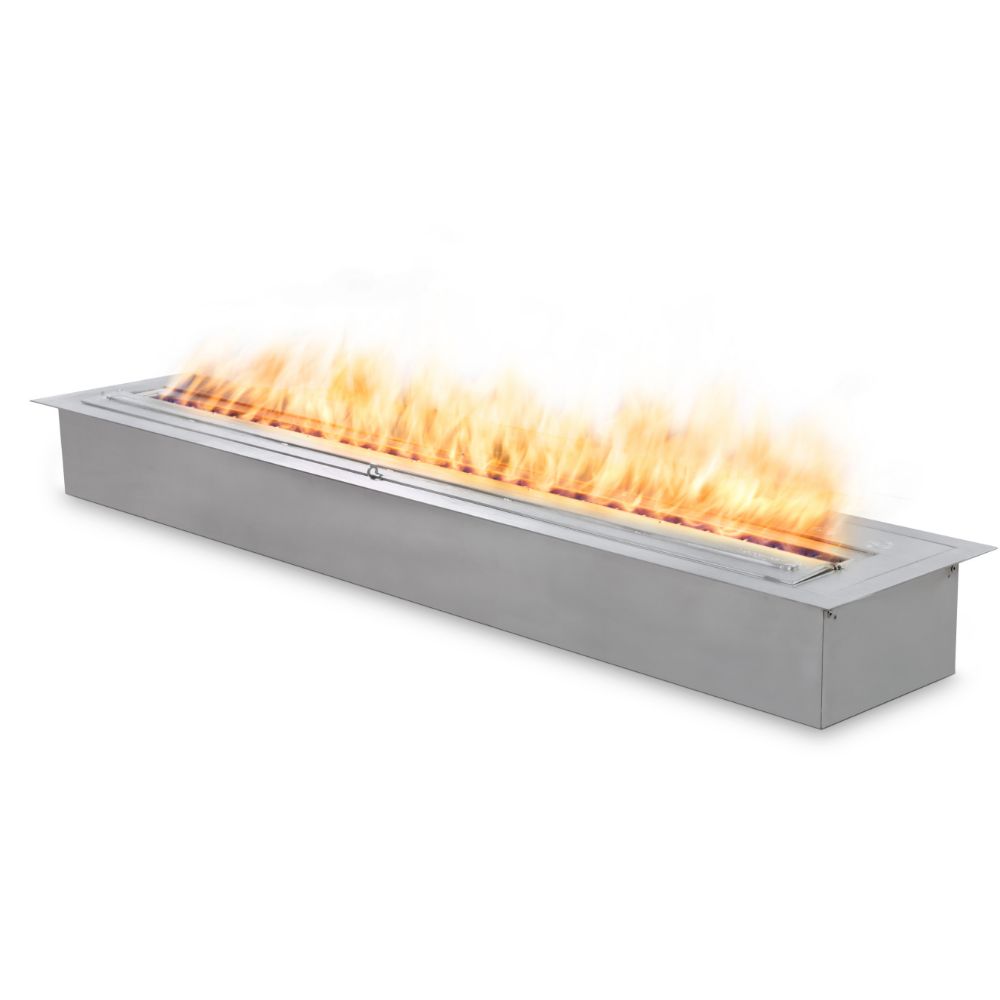
A drop-in ethanol burner insert is a self-contained combustion unit that sits inside a custom-built cavity of steel, concrete, brick, or stone. Drop-in burner inserts power Chama Design Custom Fireplaces, retrofitted traditional fireplace conversions, and architectural features, including stone plinths and joinery units.





Single-Sided Ethanol Fireplaces
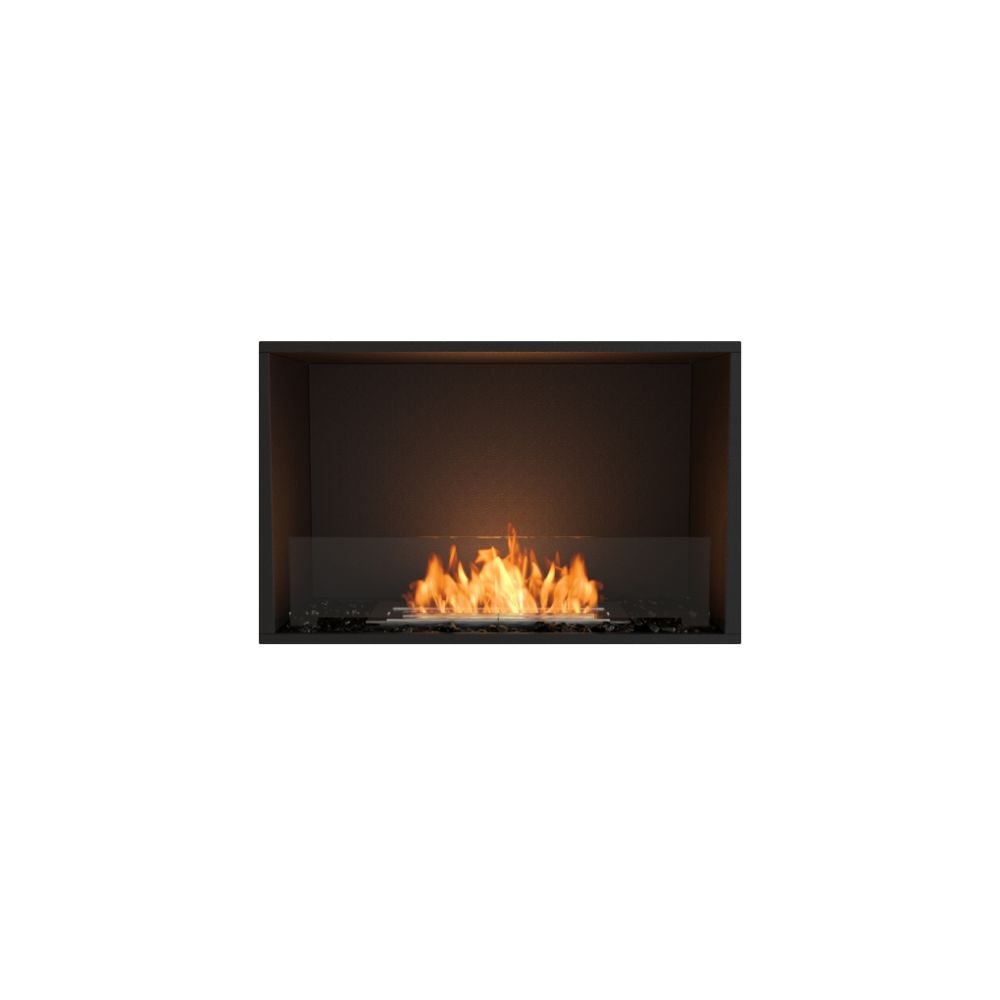
A single-sided ethanol fireplace is a prefabricated zero-clearance firebox designed for single-room viewing. The most common built-in ethanol fireplace style for modern residential homes.

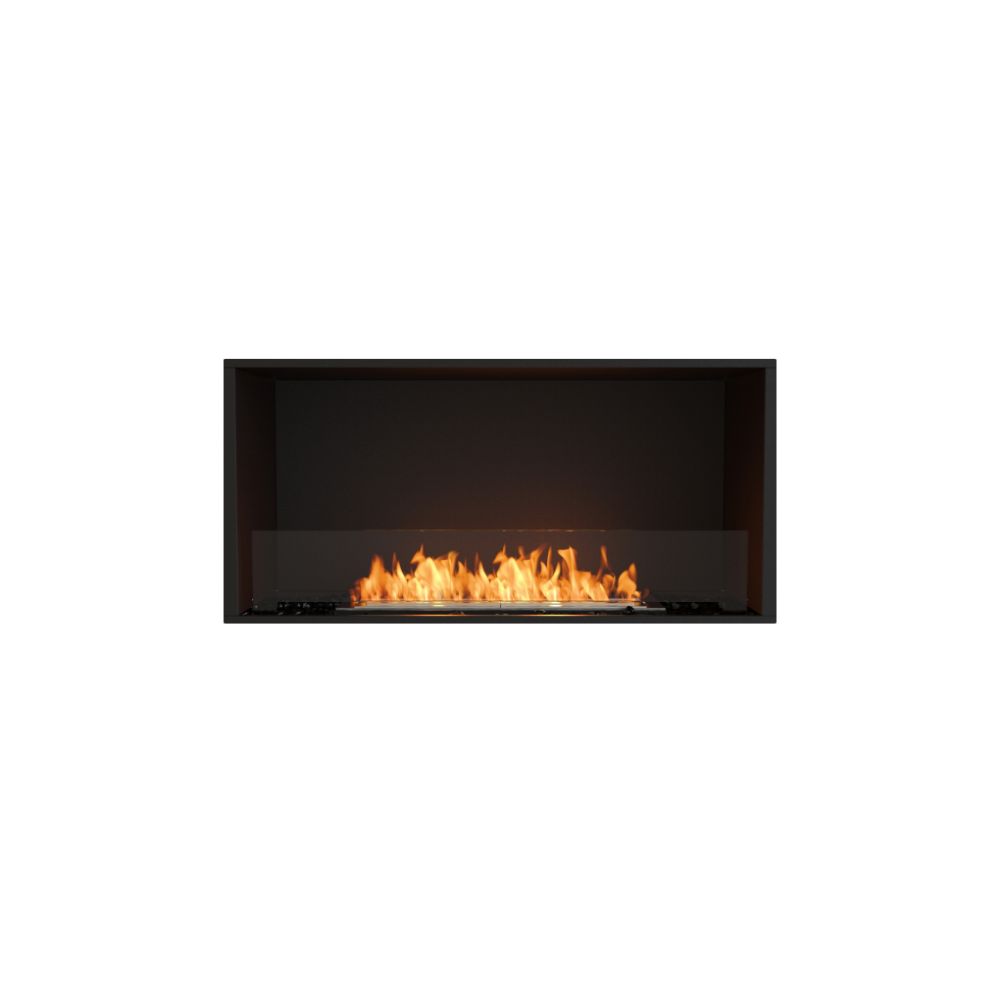

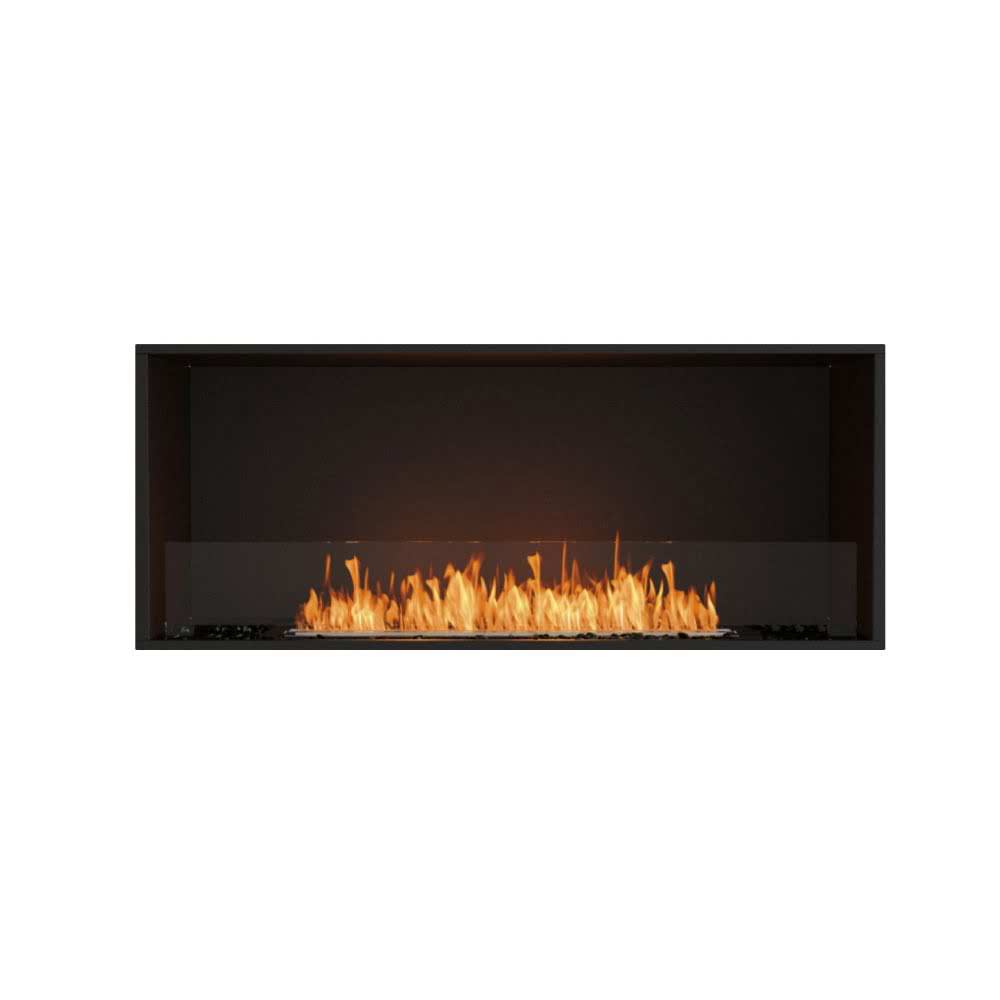

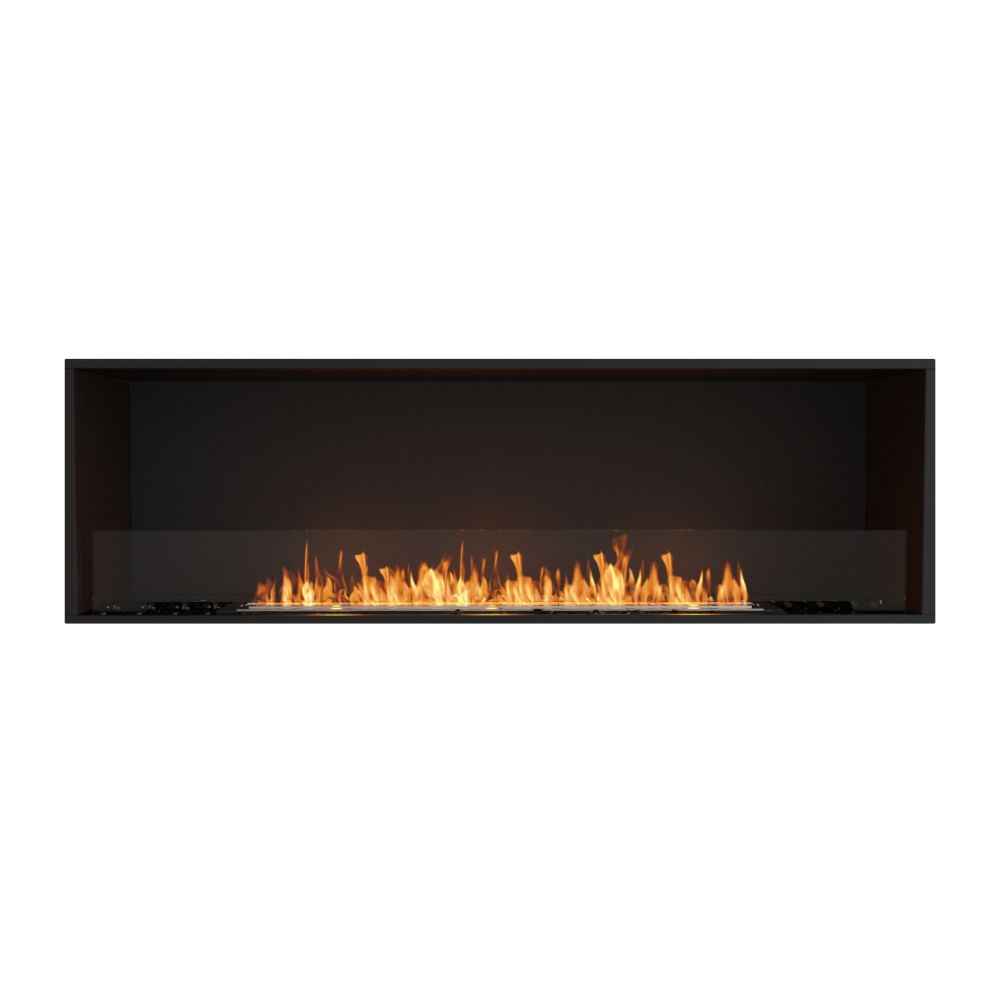

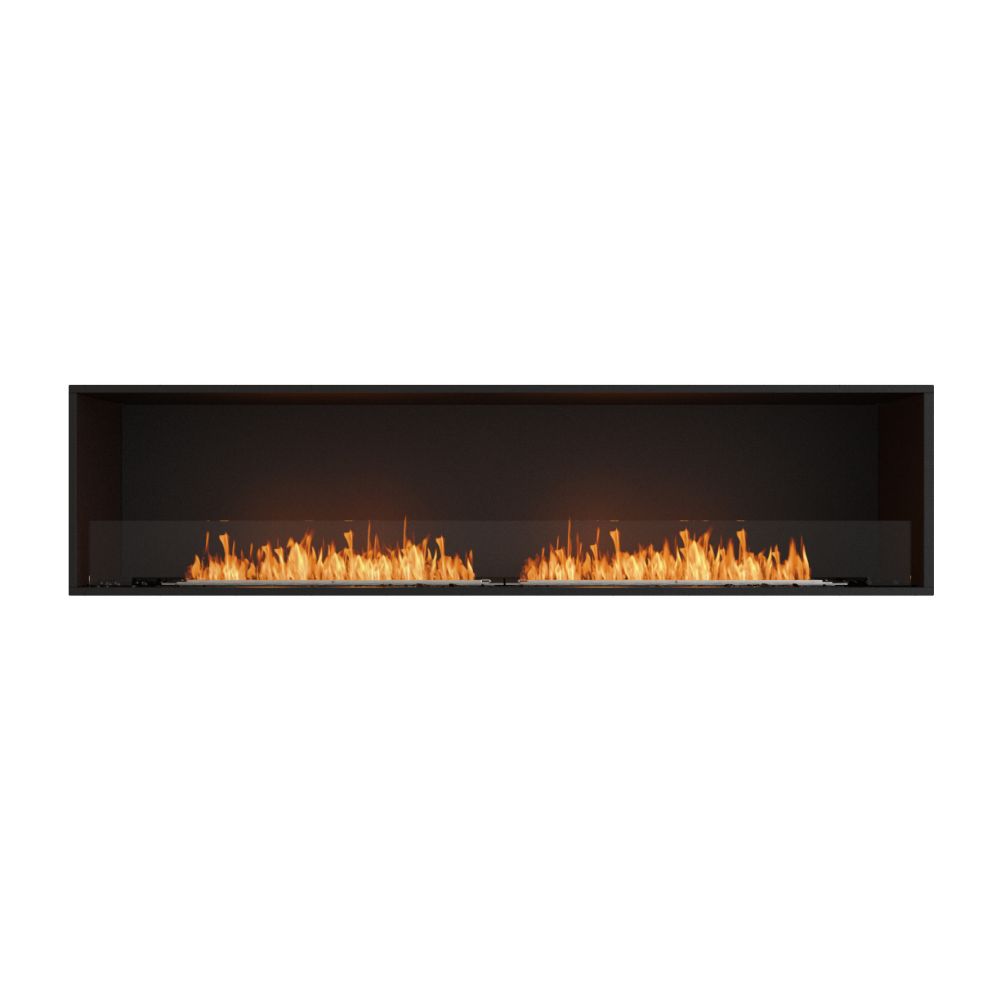

Heritage Ethanol Fireplaces
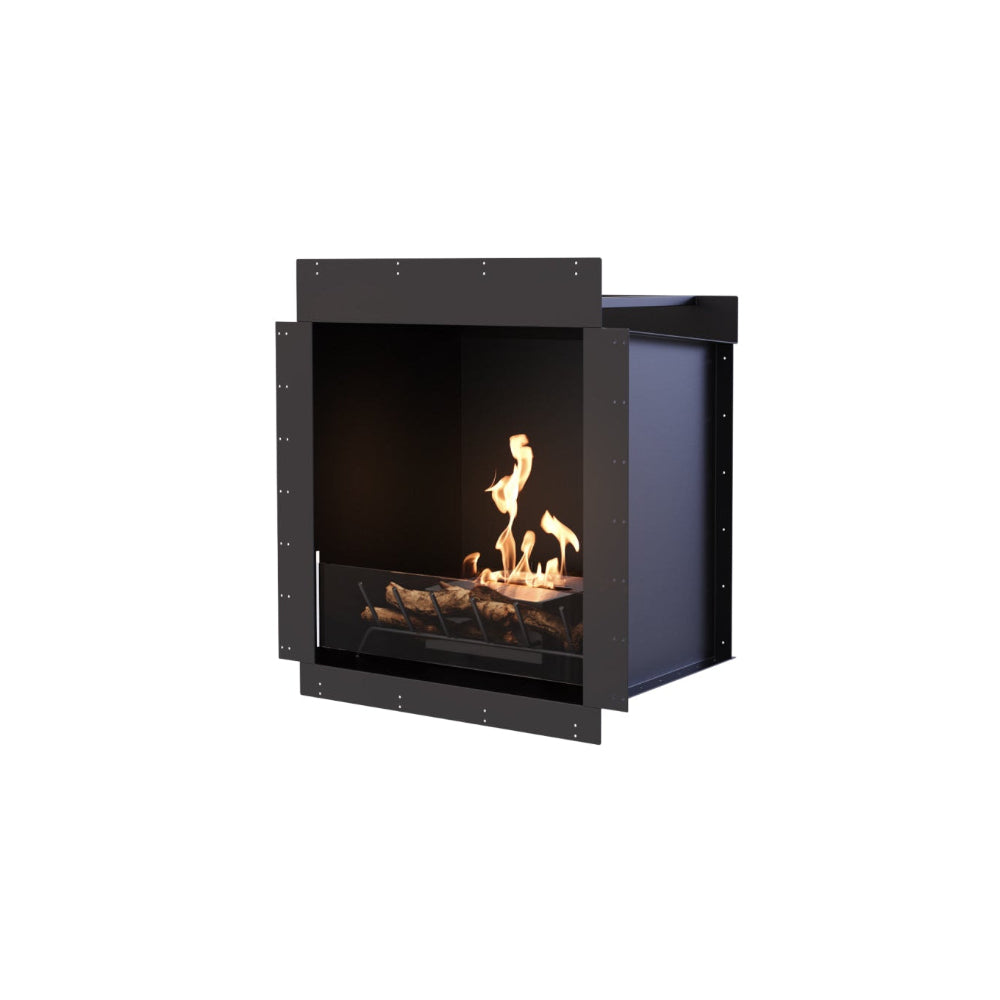
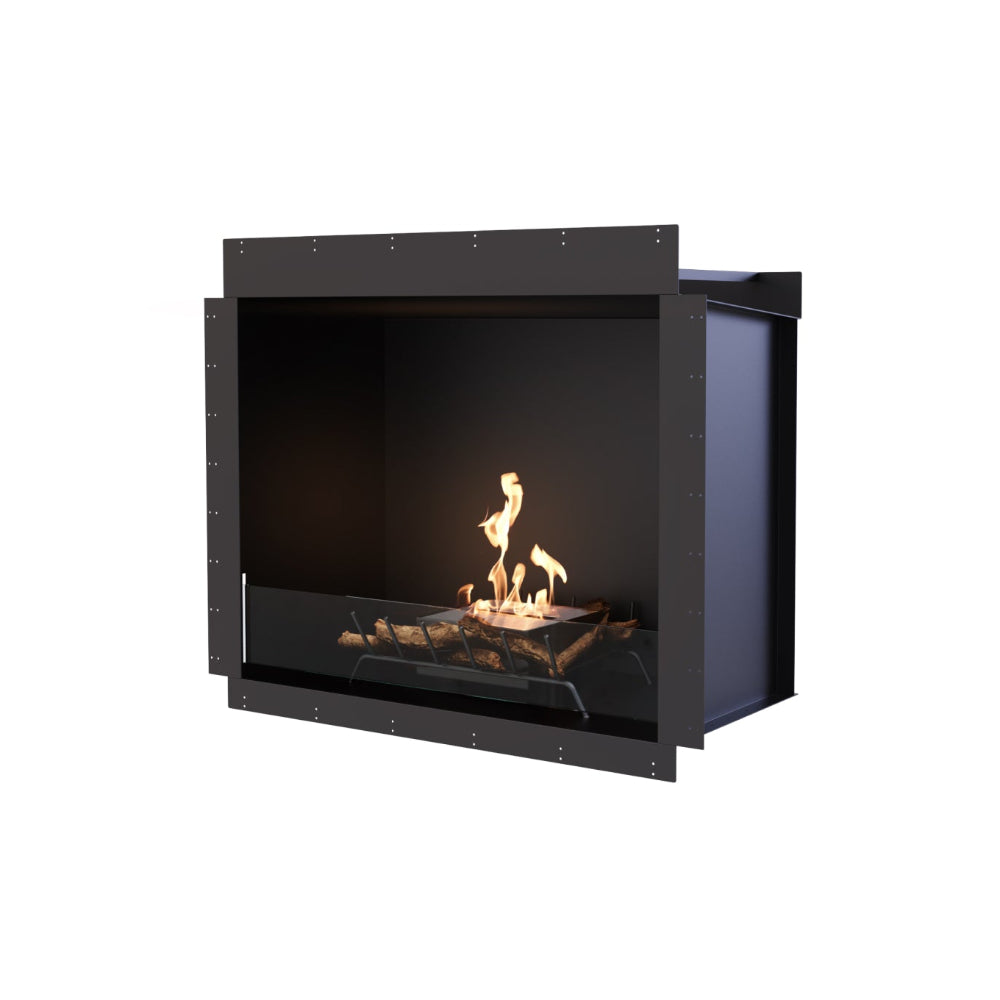
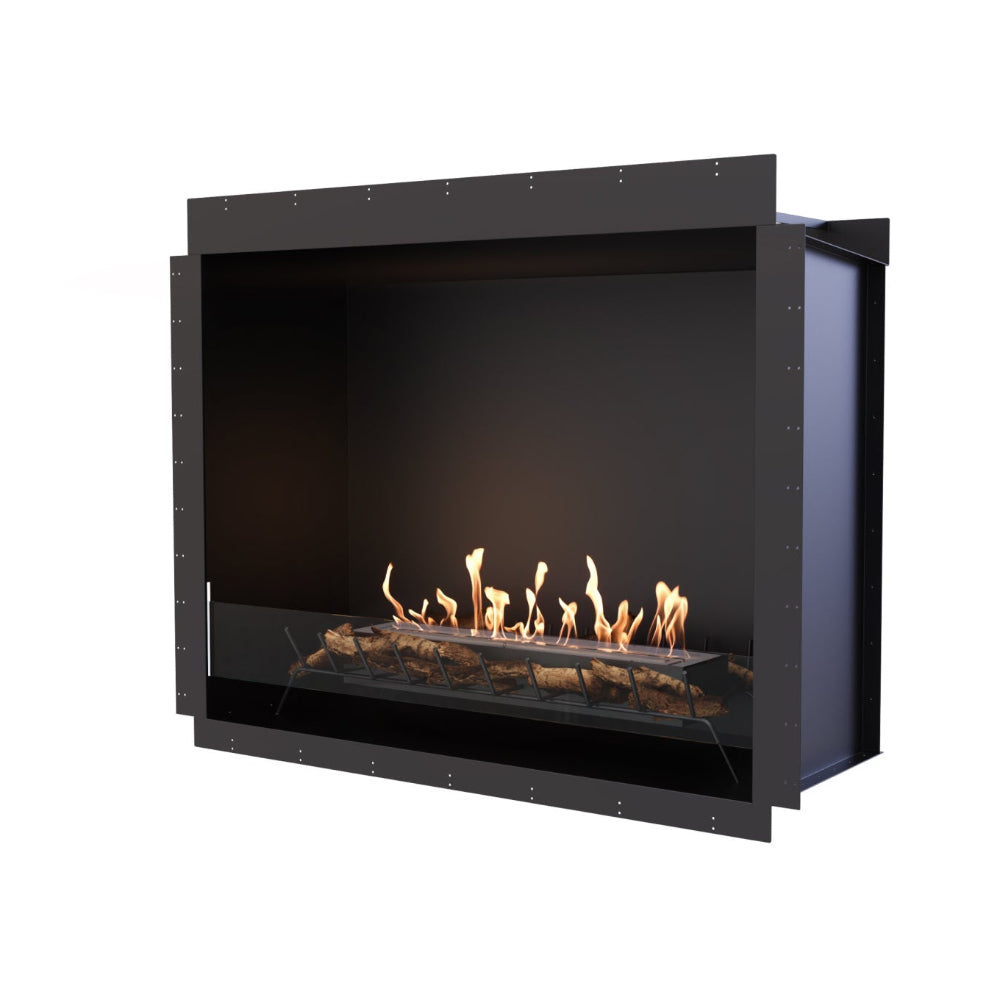
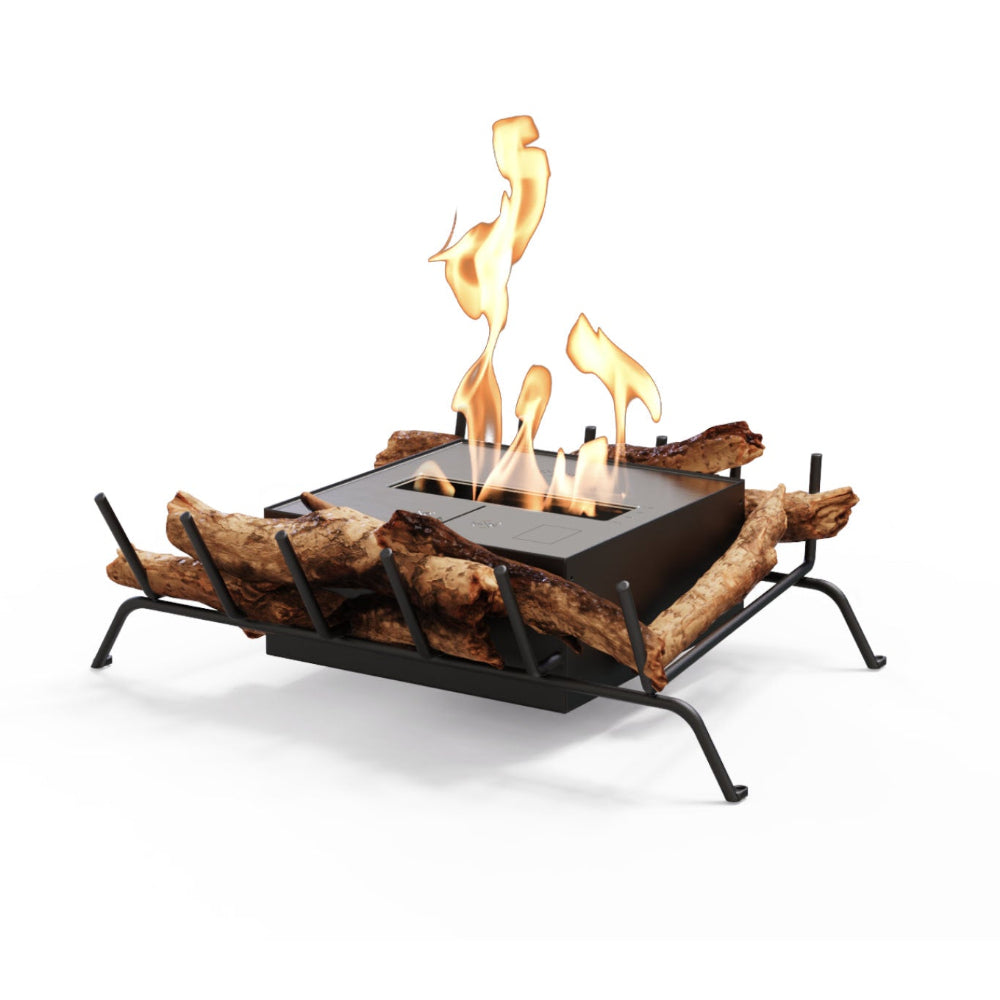
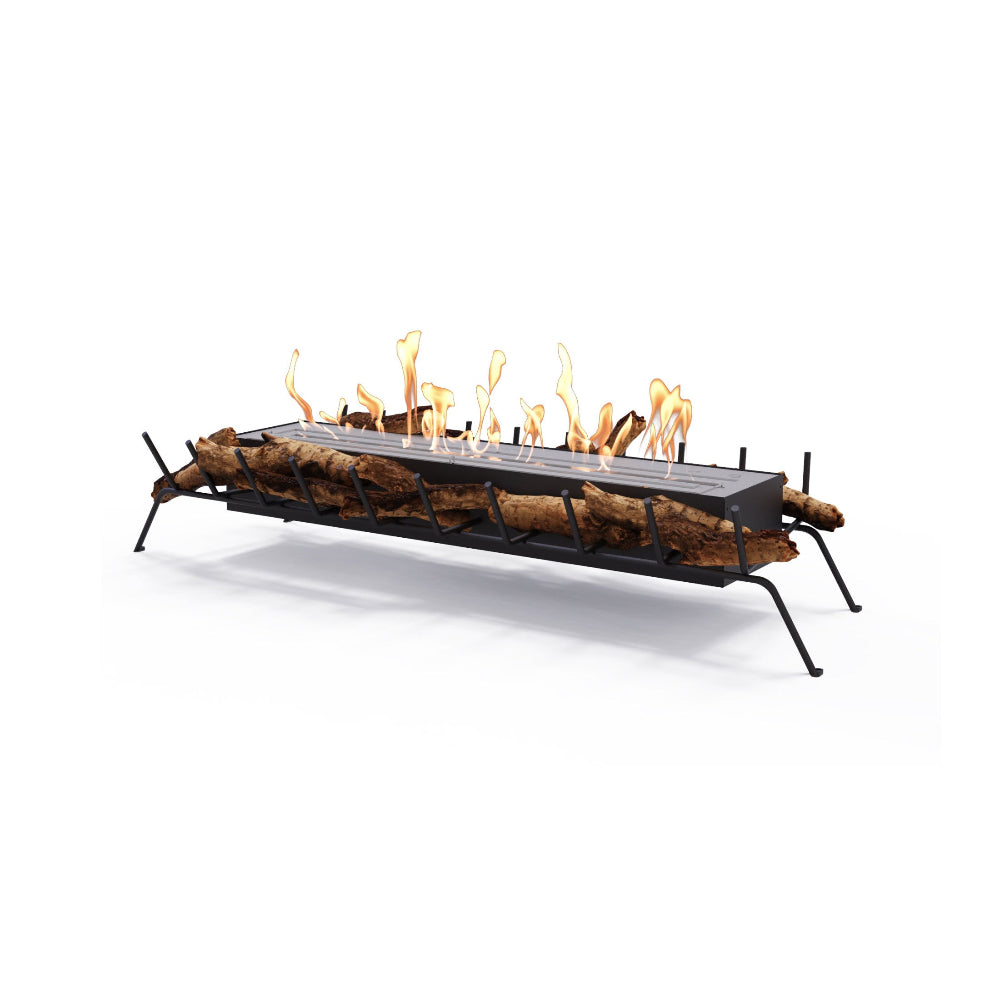
Heritage ethanol fireplaces combine a black steel firebox with ceramic log sets and a grate insert, delivering a traditional wood-burning aesthetic without a chimney or flue.





Double-Sided Ethanol Fireplaces
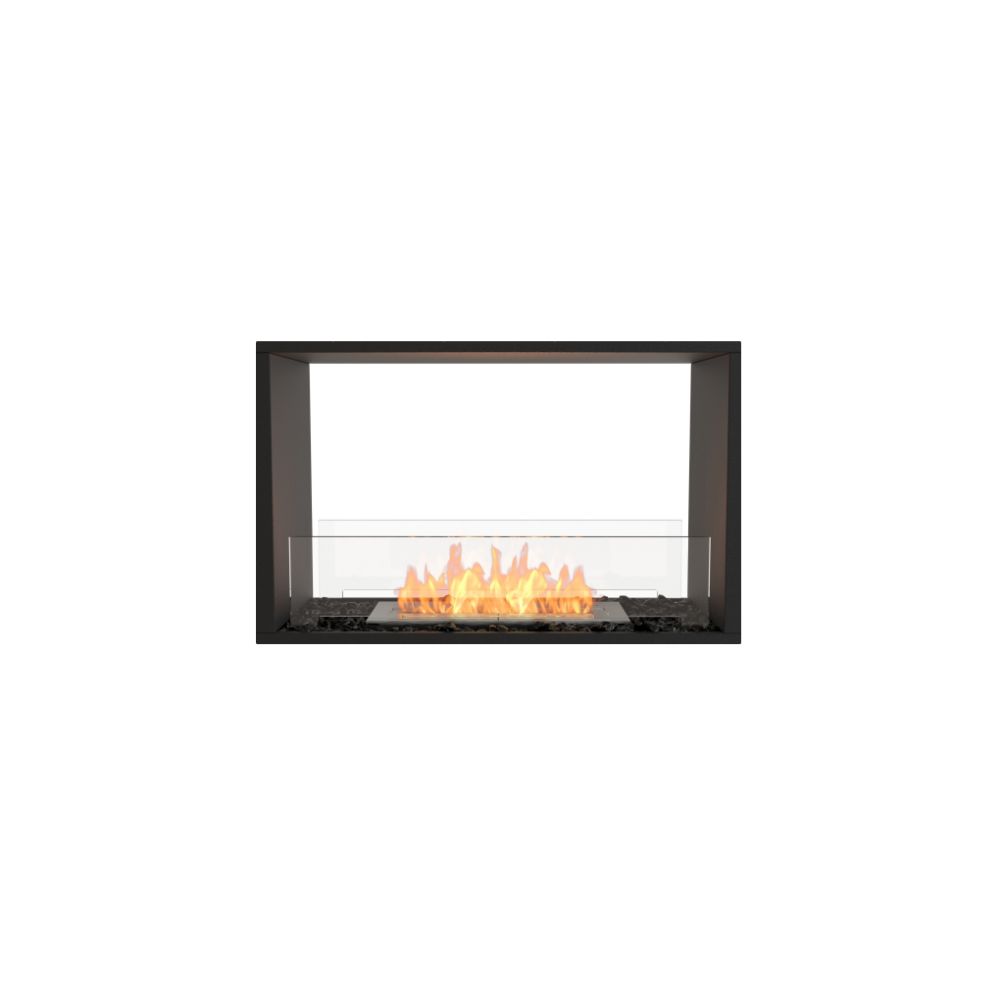
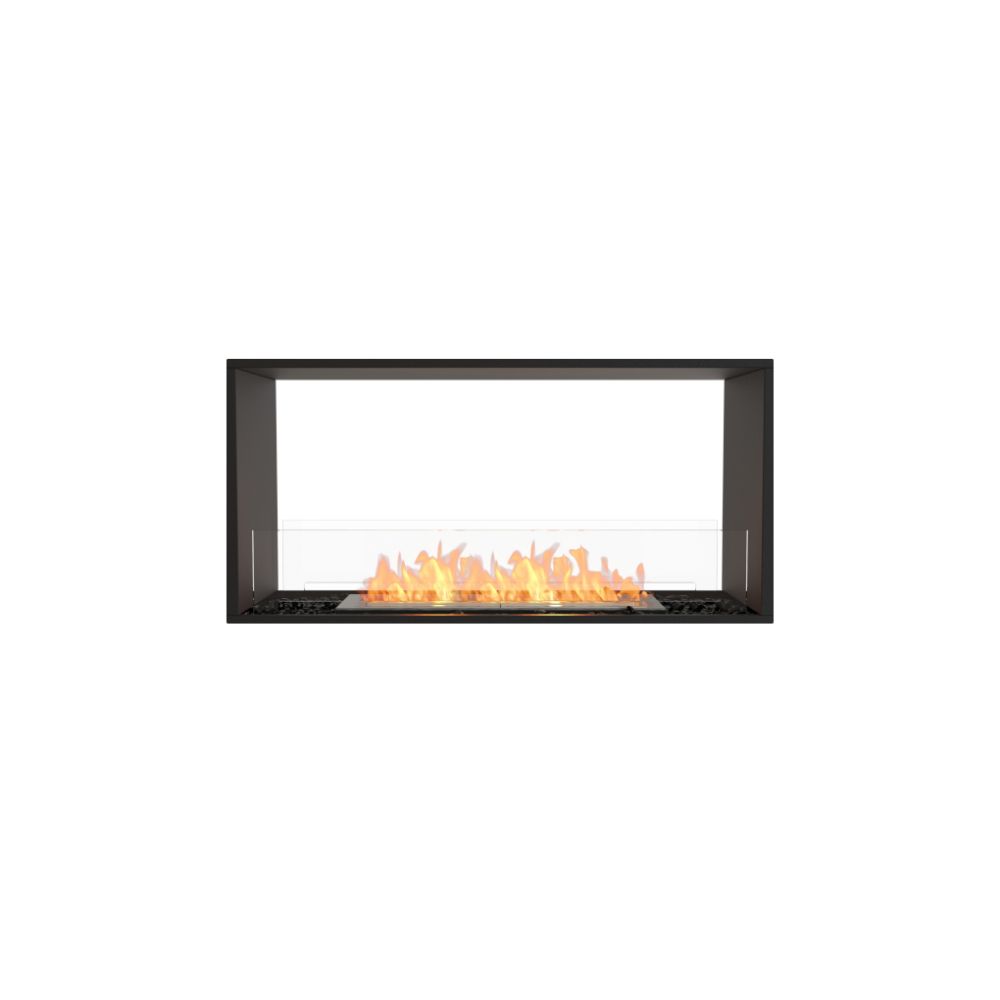
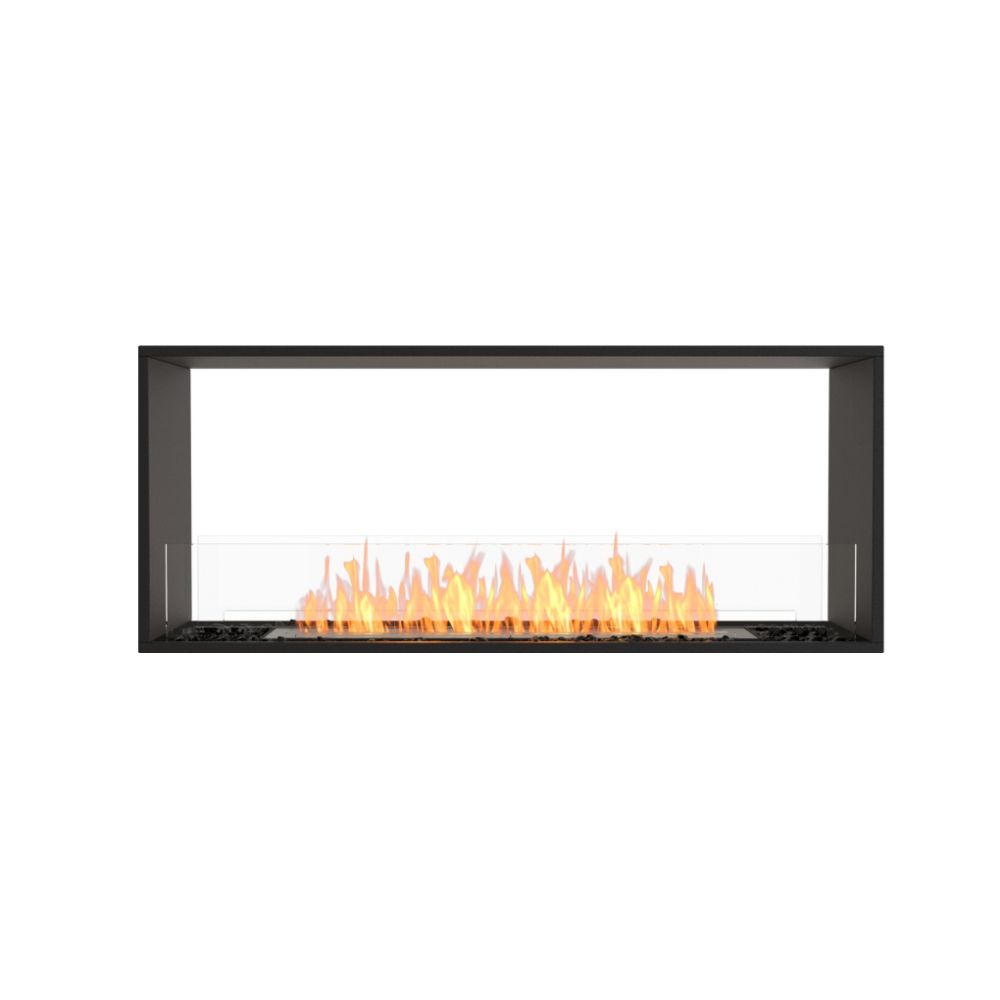
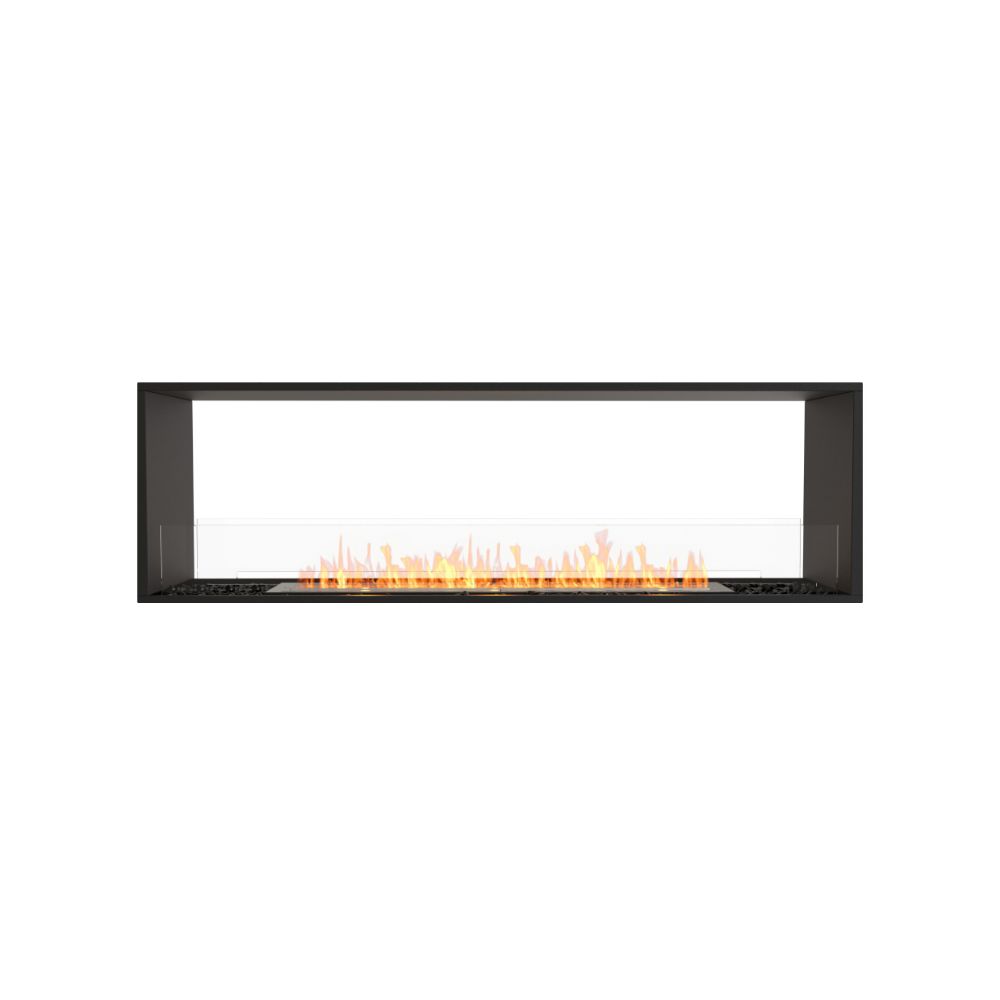
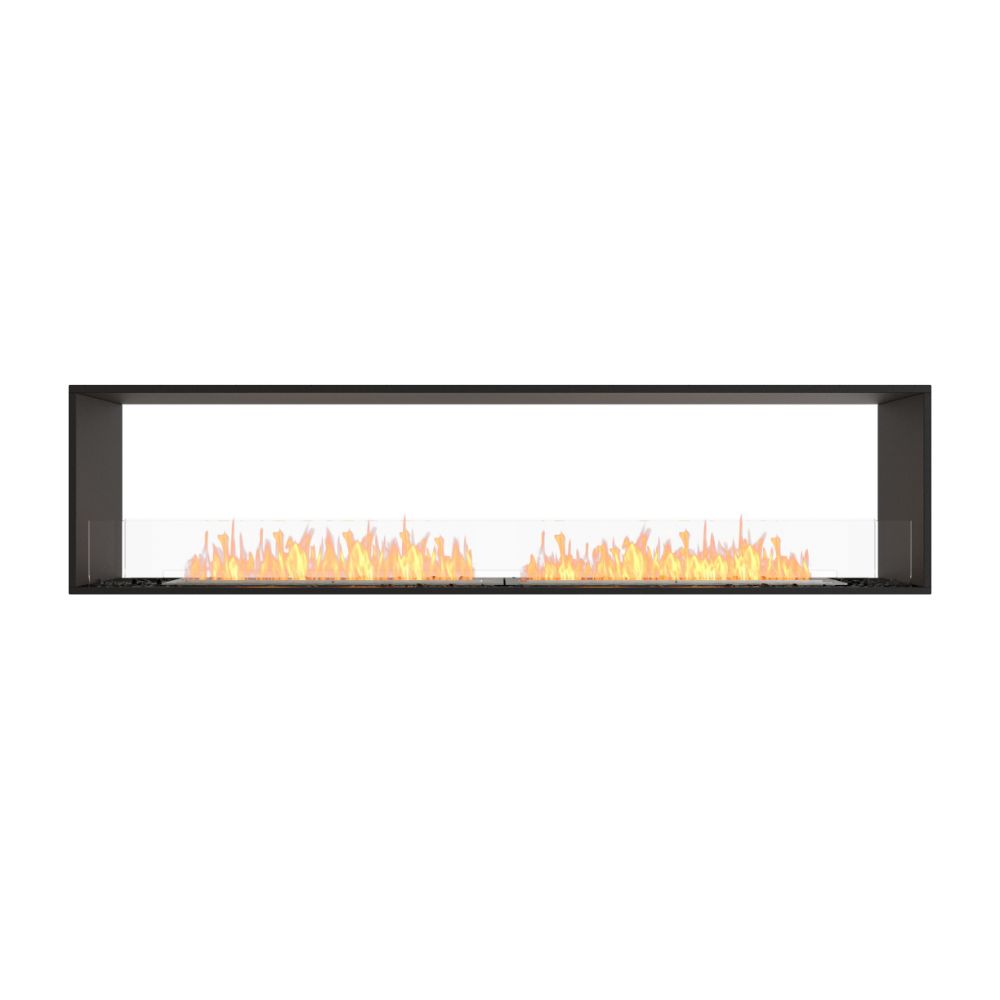
A double-sided ethanol fireplace is viewed from 2 sides simultaneously, creating a see-through flame between 2 adjoining spaces — suited to living and dining room dividers, indoor-to-outdoor transitions, and open-plan separations.





Three-Sided Ethanol Fireplaces
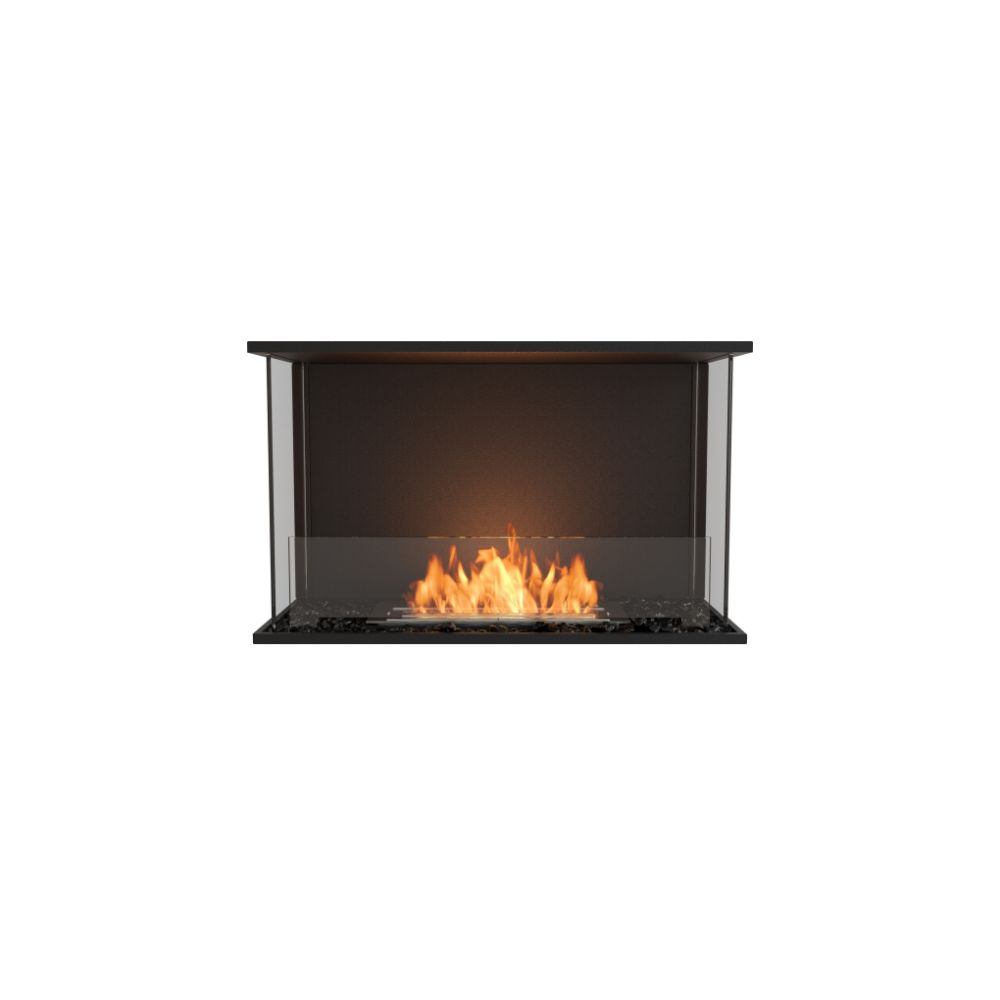
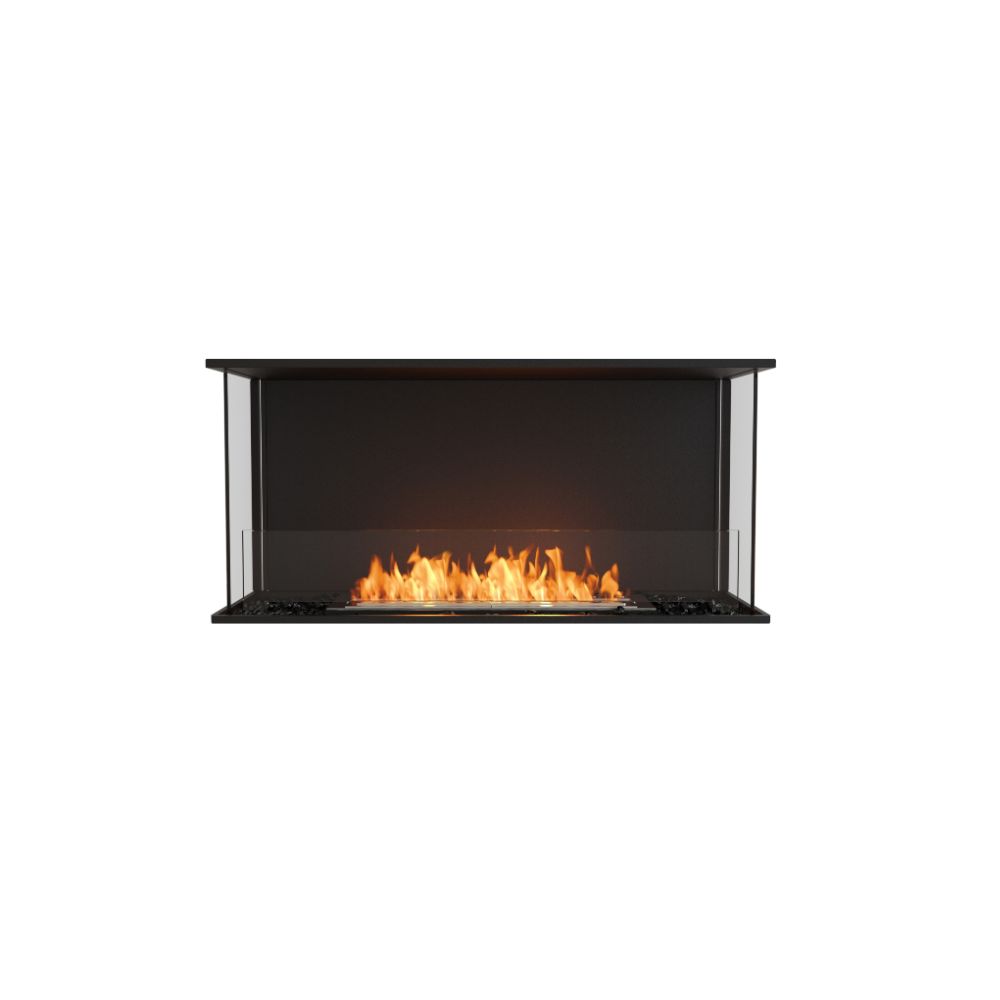
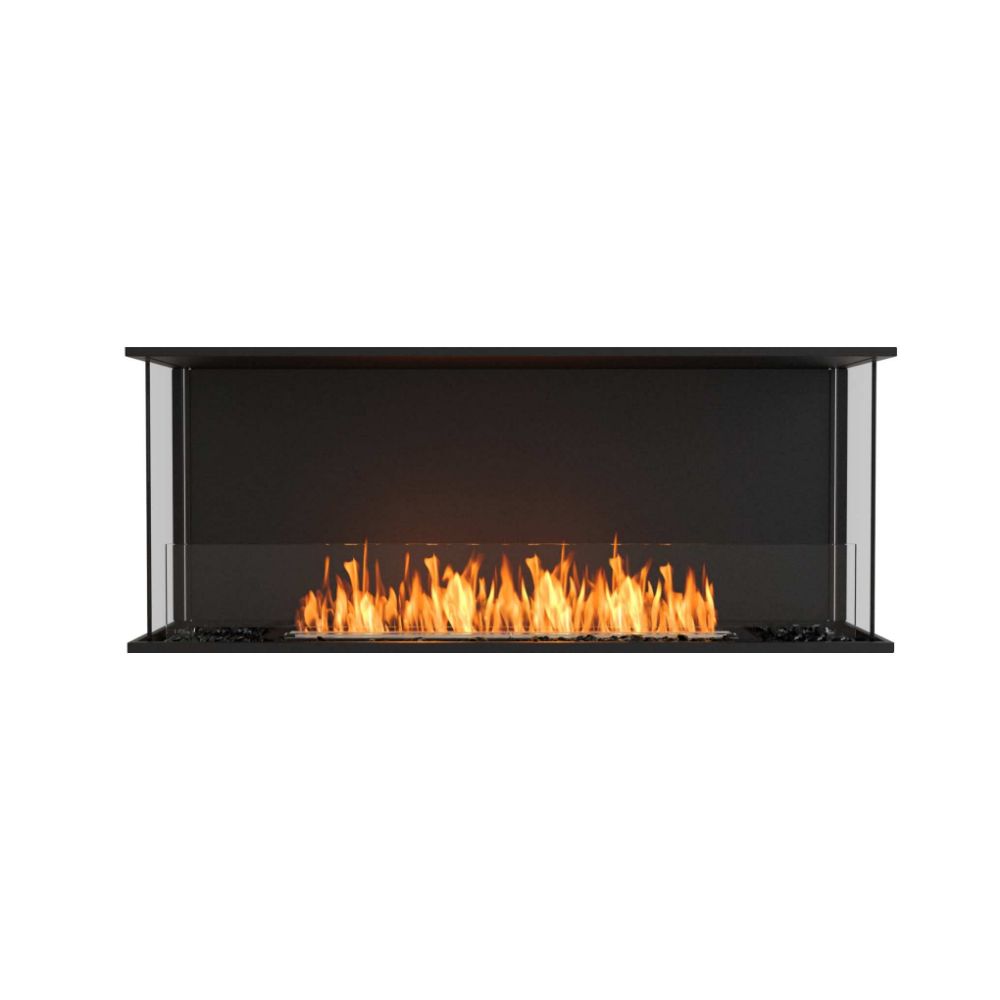
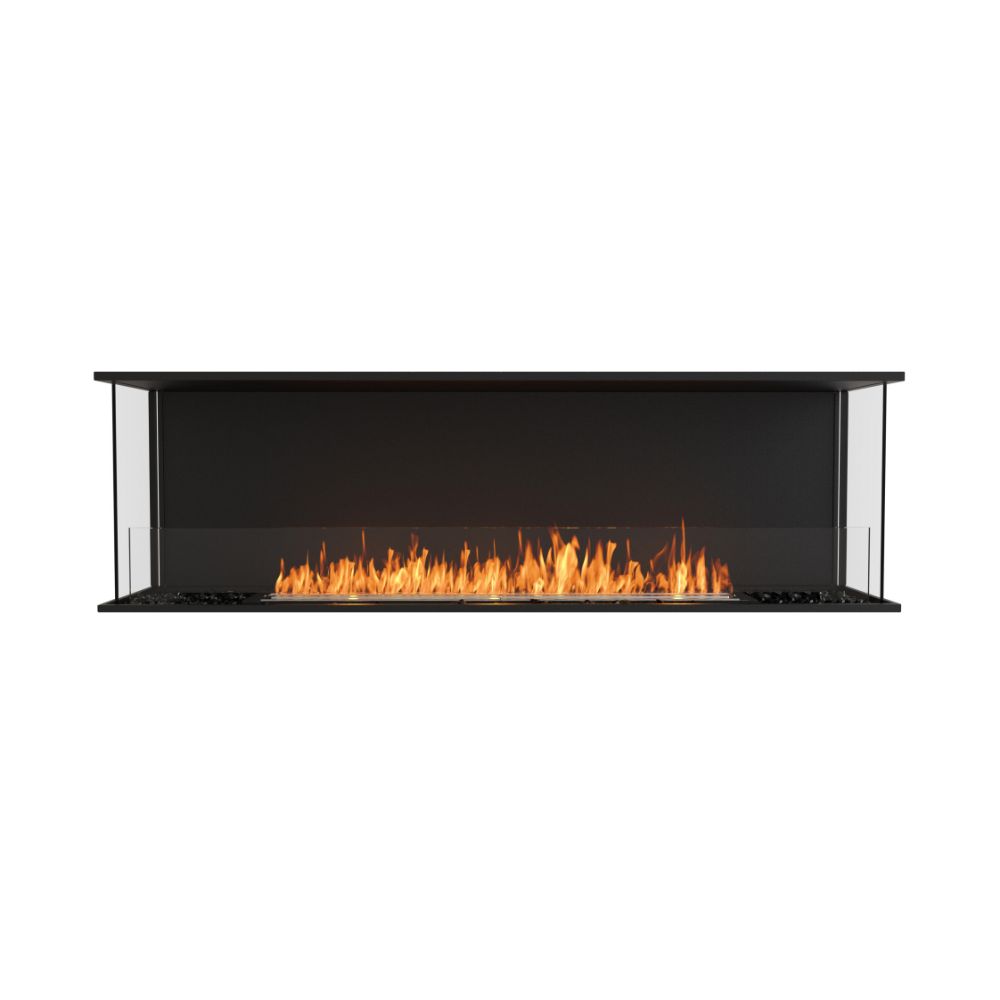
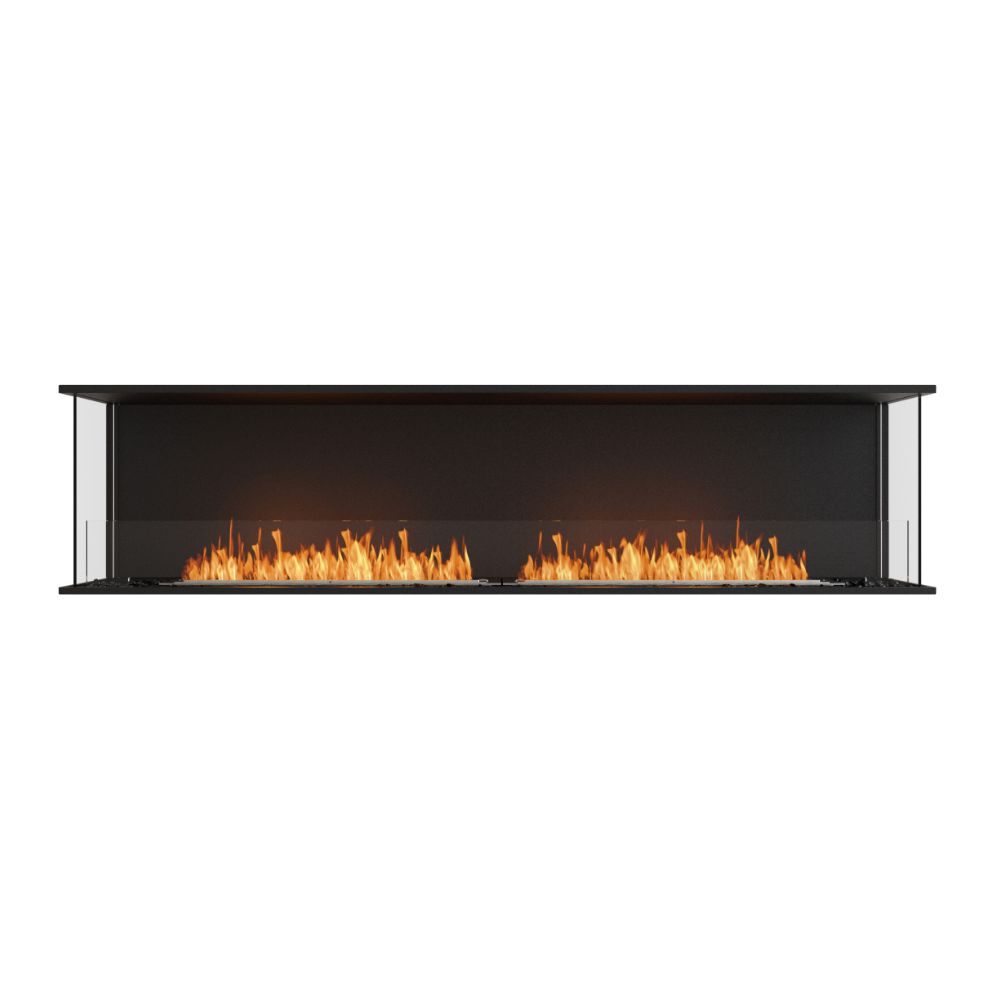
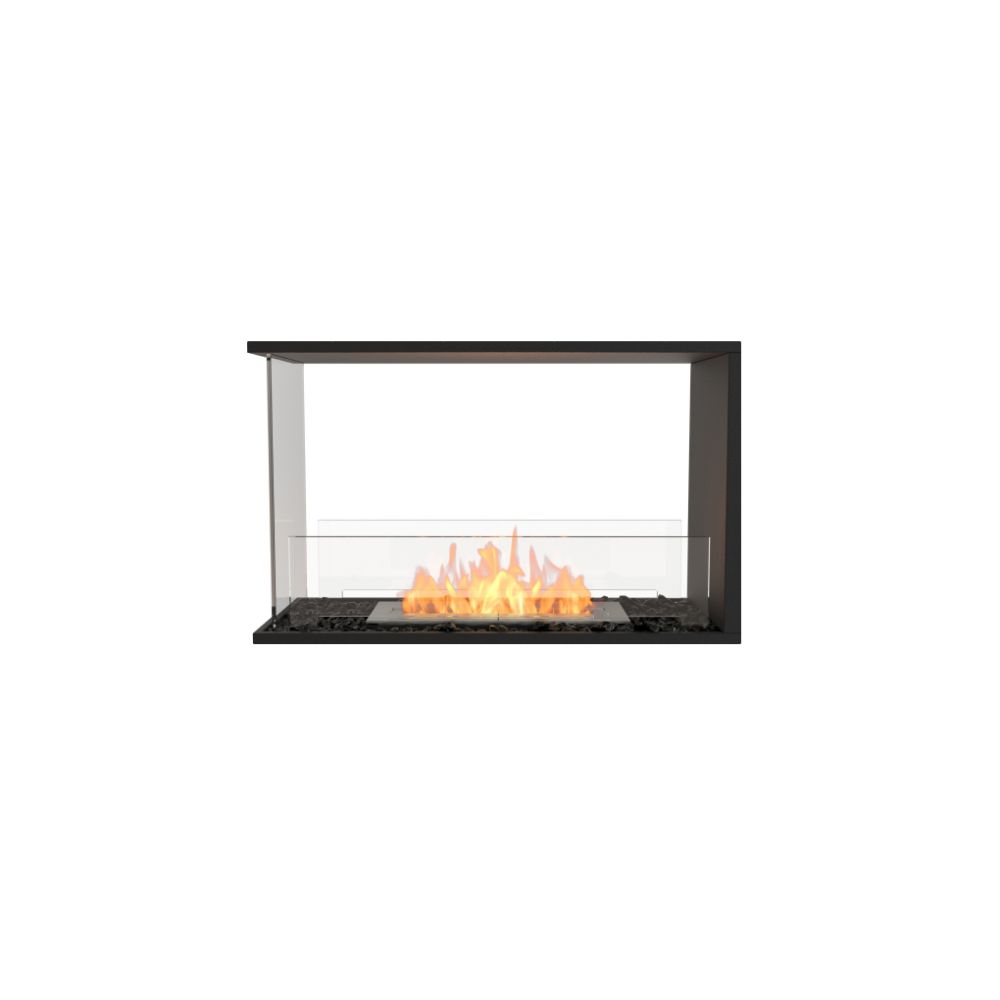
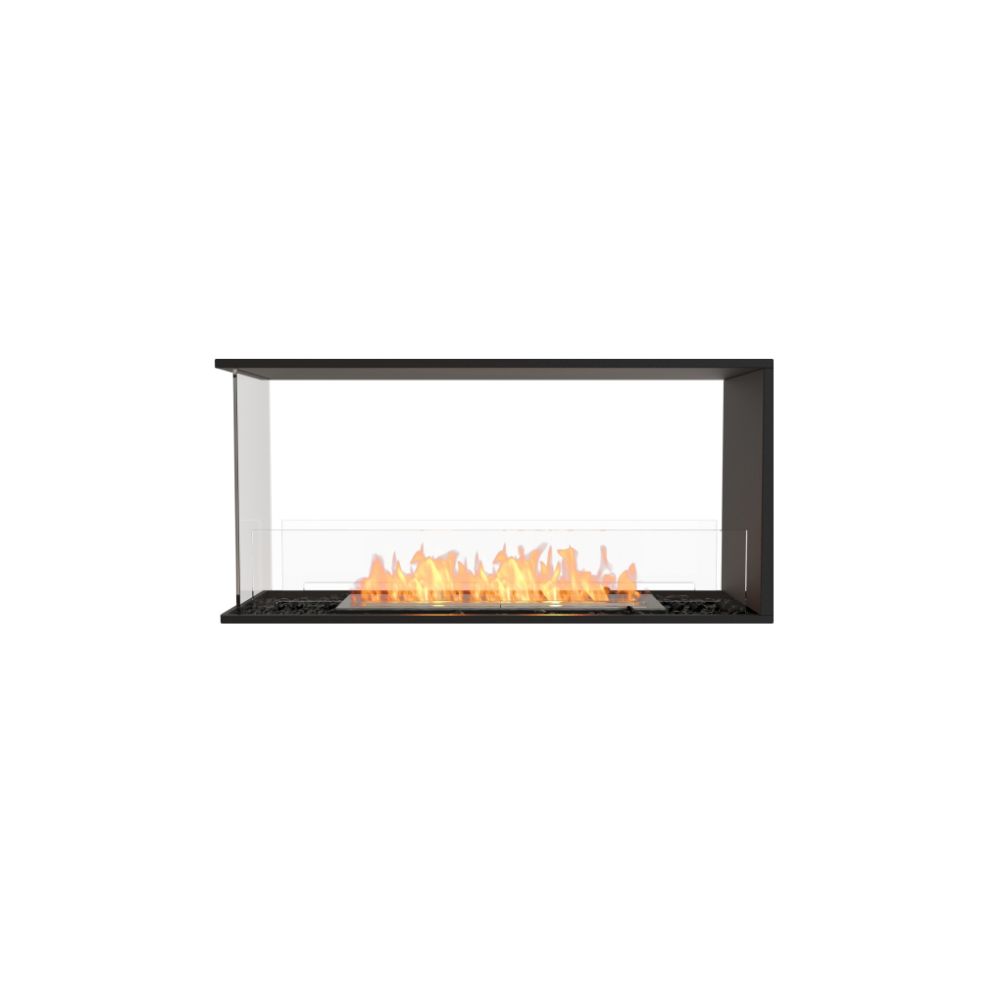
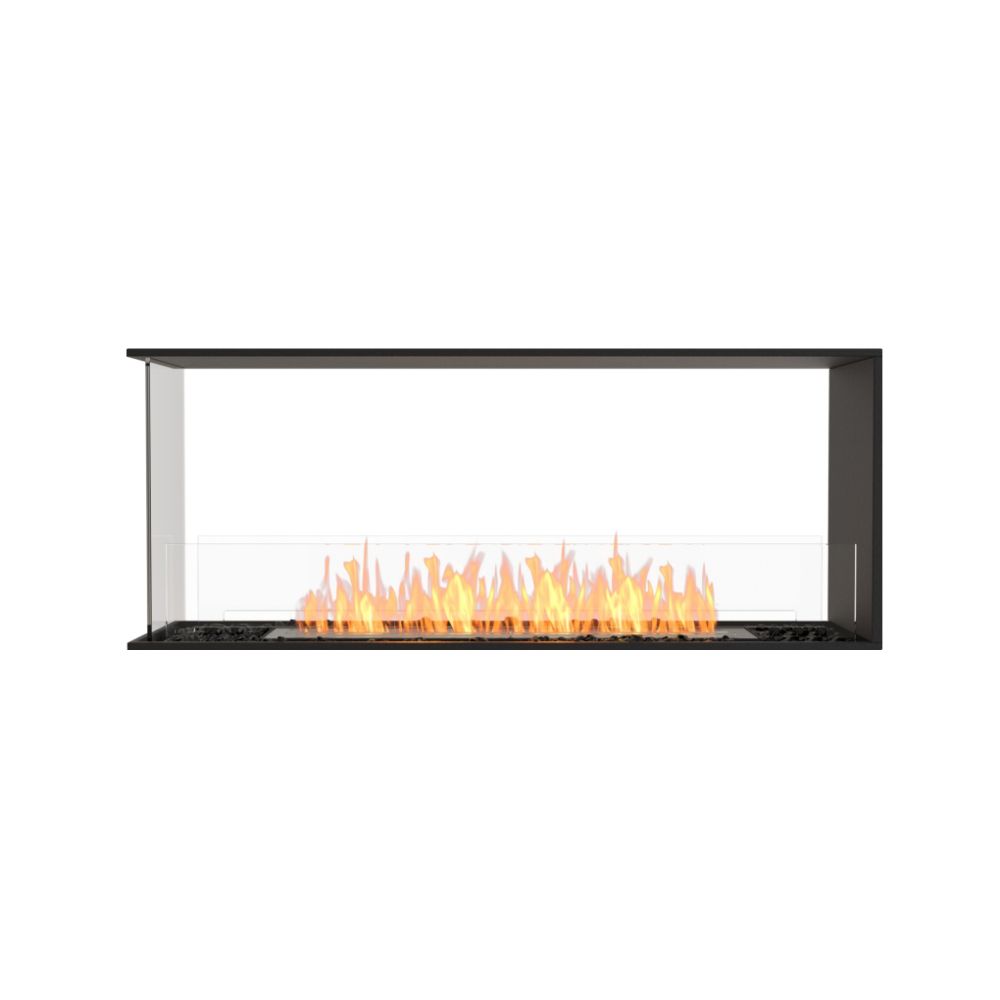
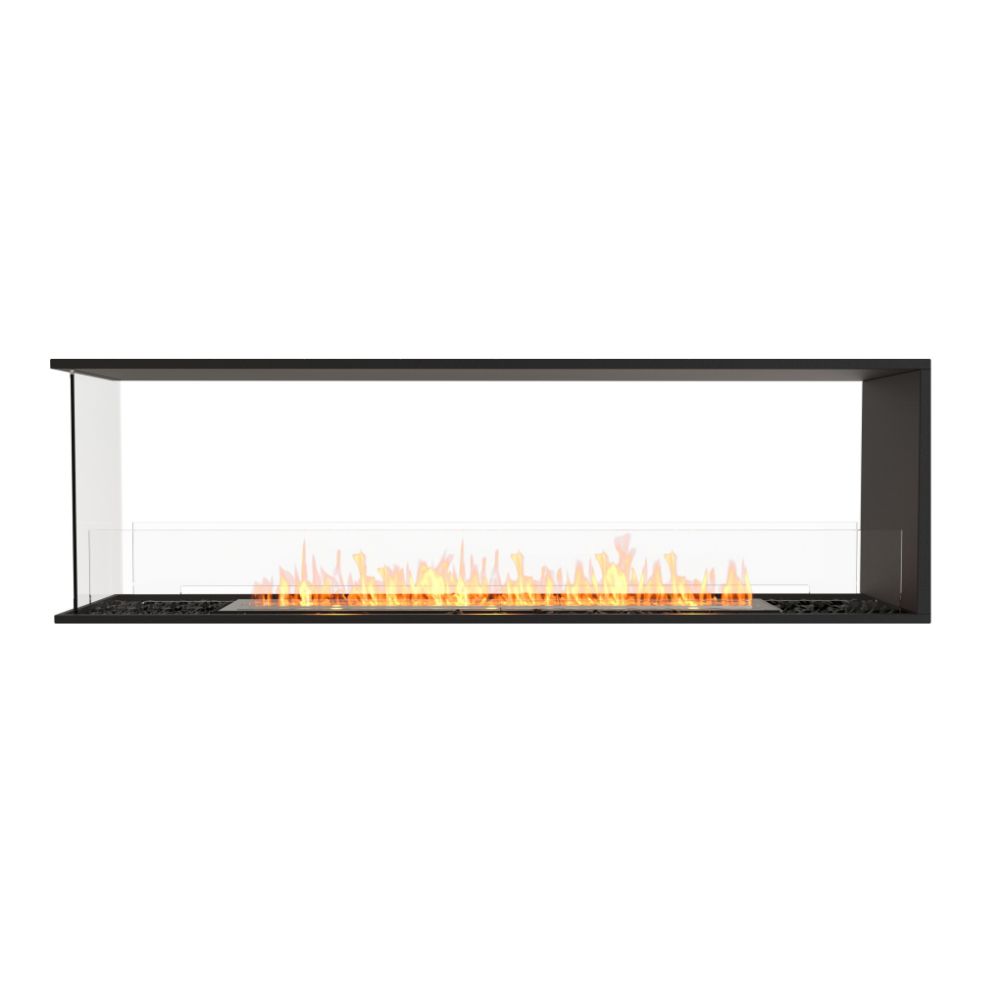
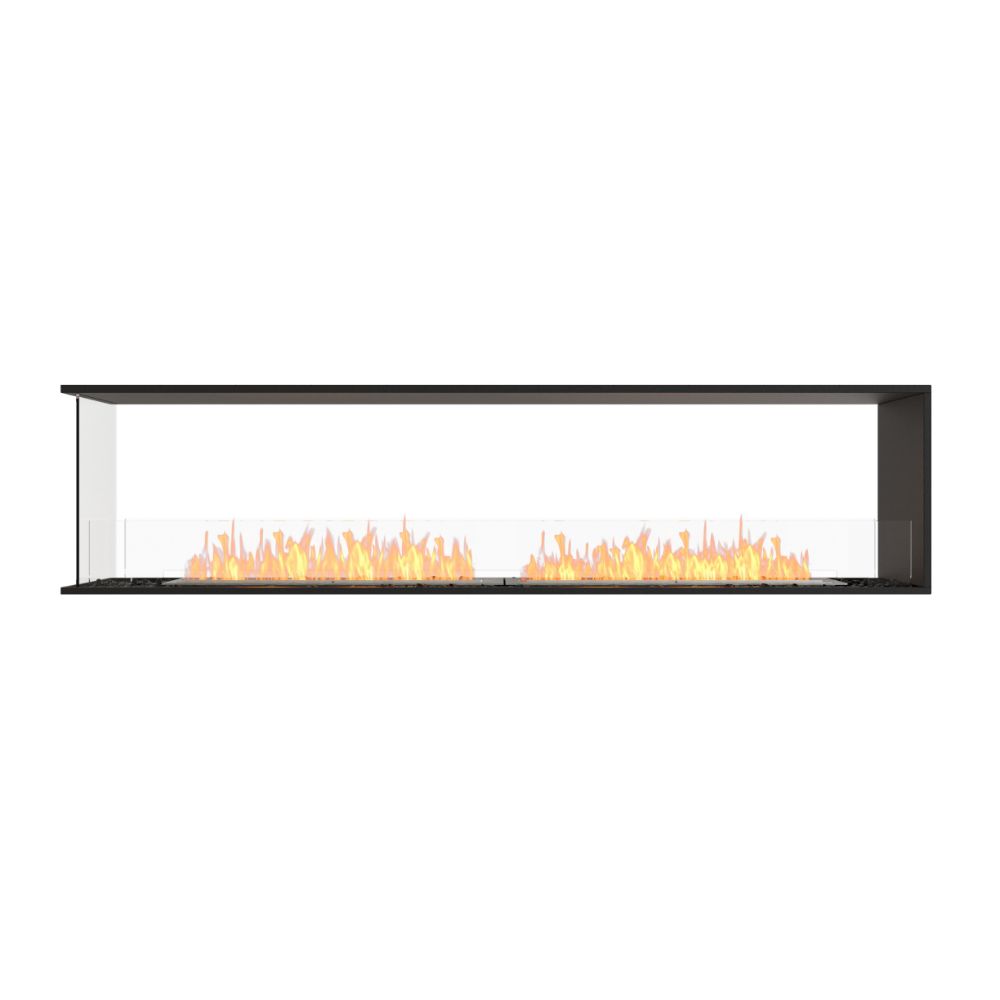
A three-sided ethanol fireplace is viewed from 3 sides in 2 configurations — peninsula, projecting into a room as a divider between 2 spaces, and bay window, recessed into a three-sided opening that increases the flame viewing angle within a single room.










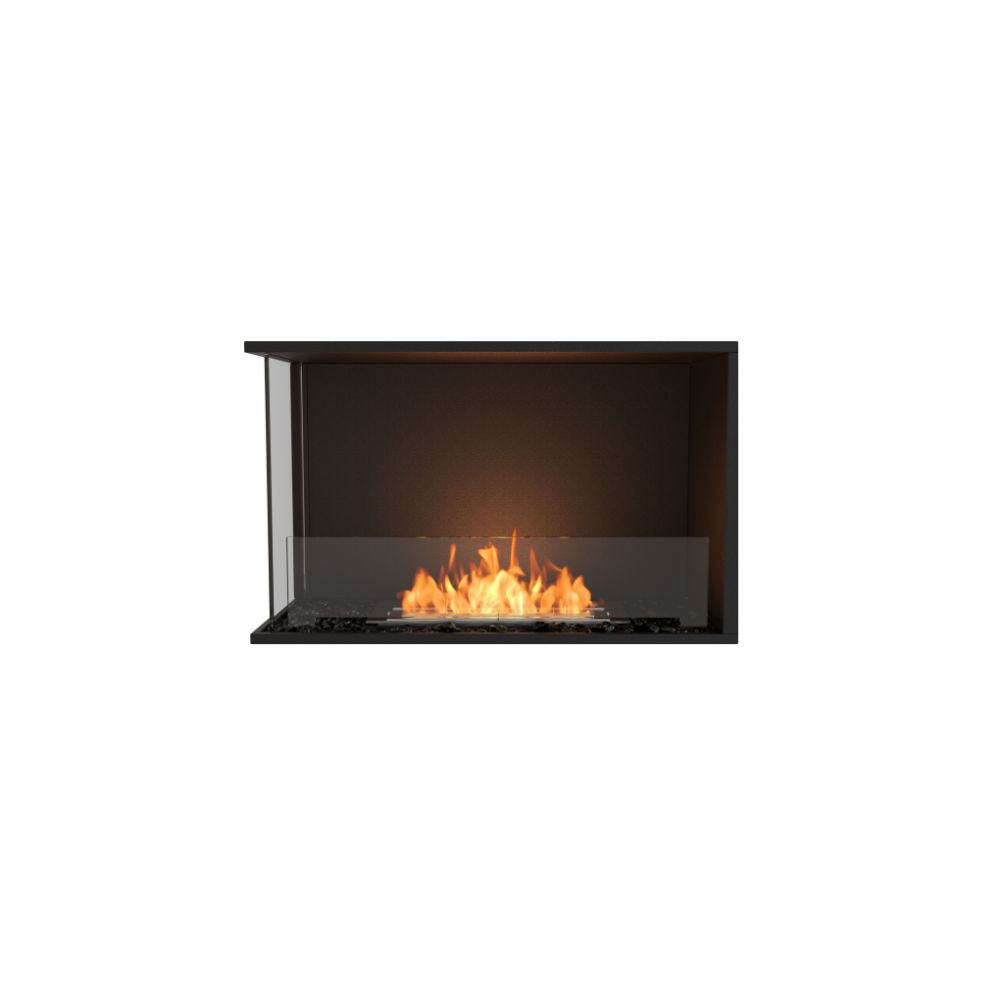
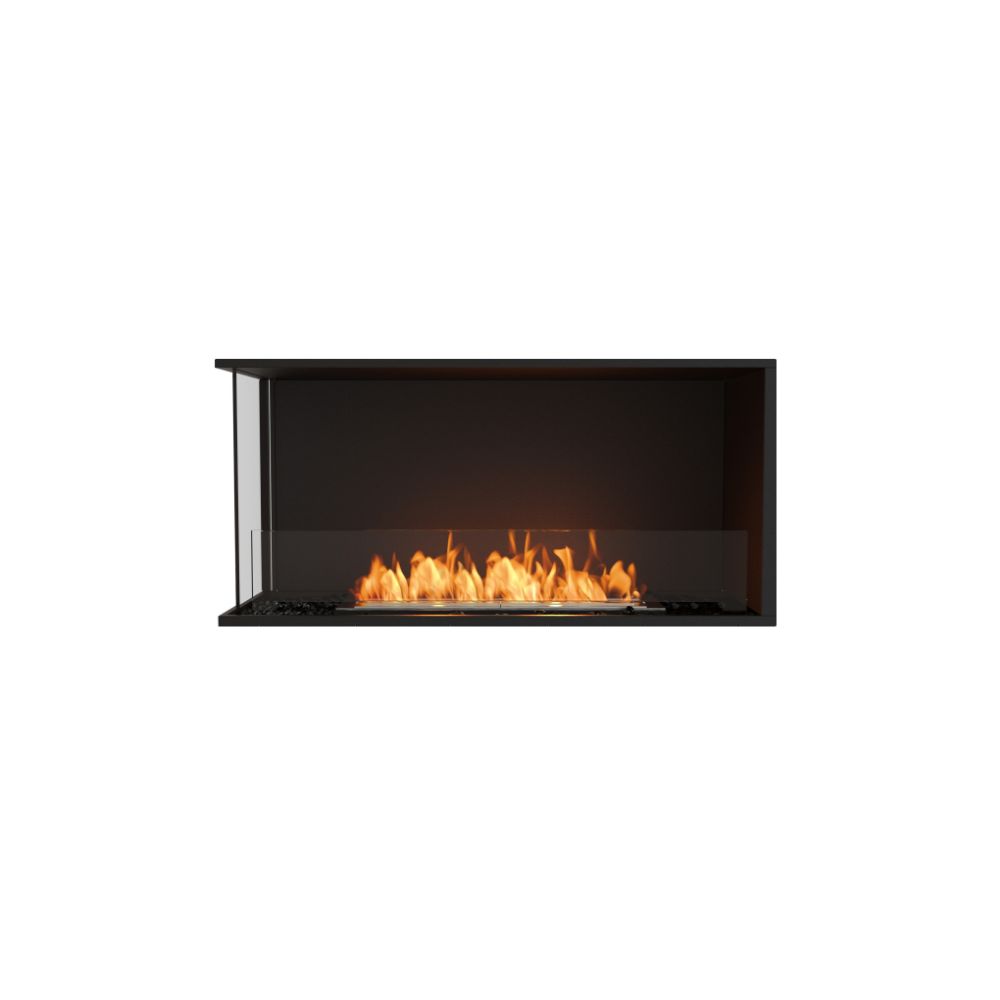
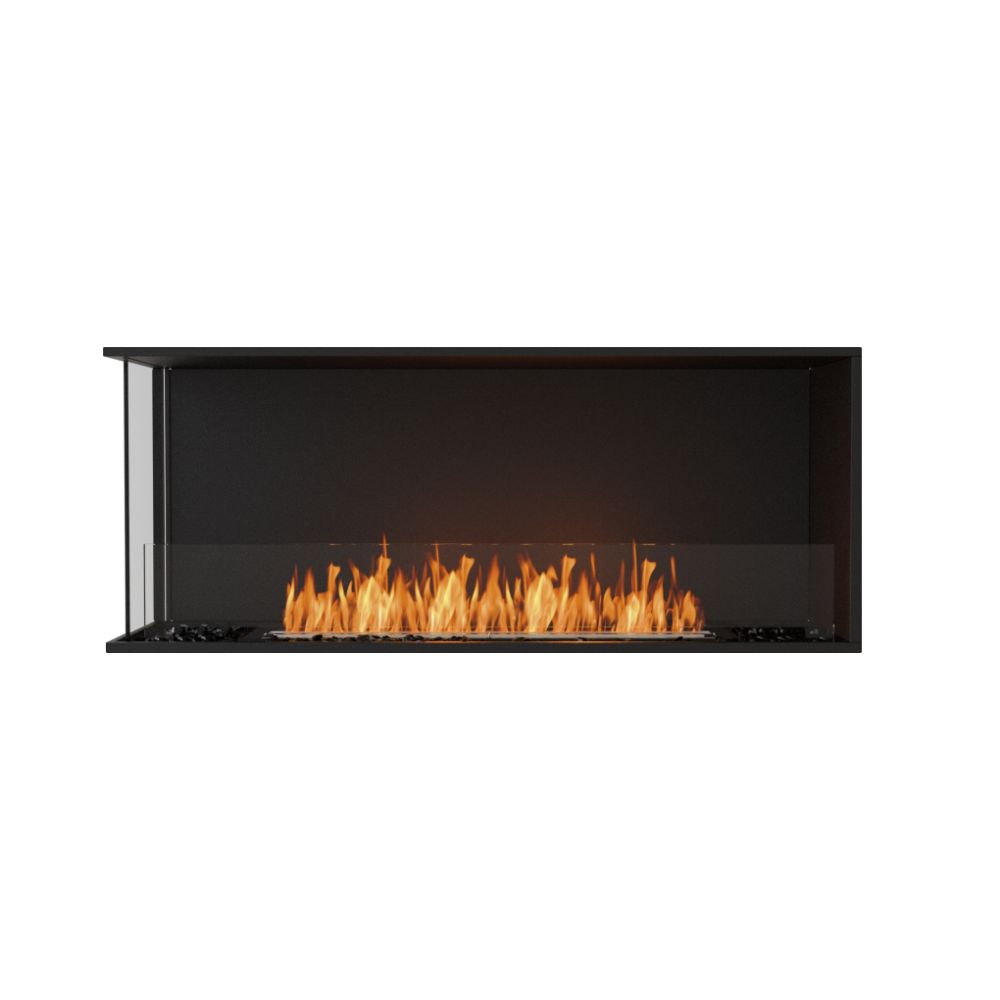
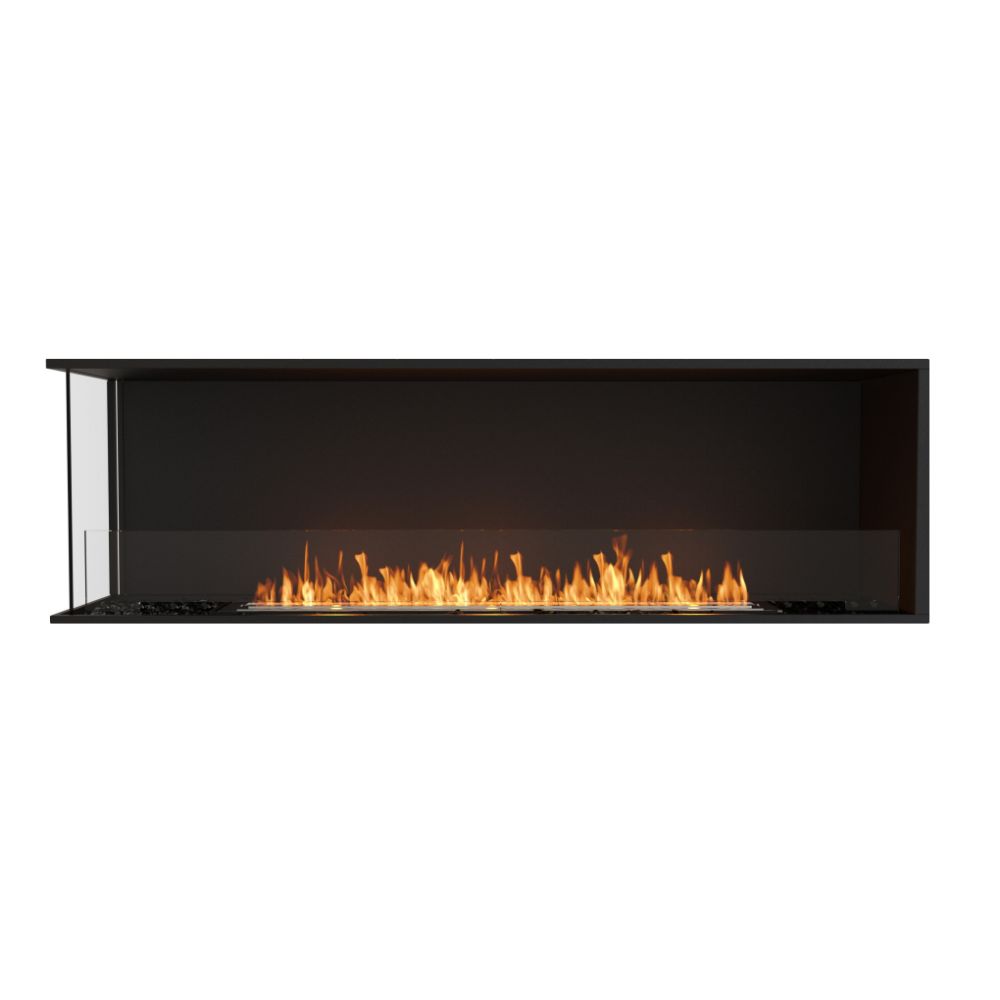
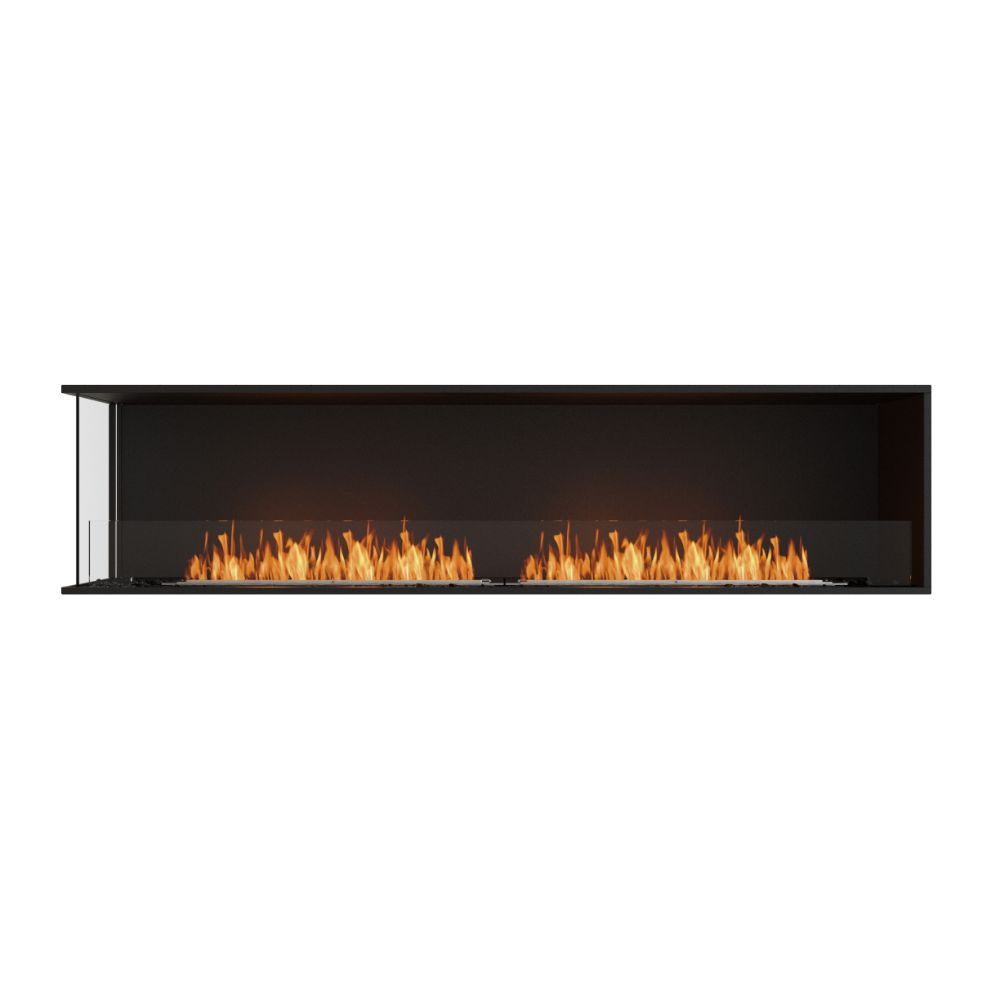
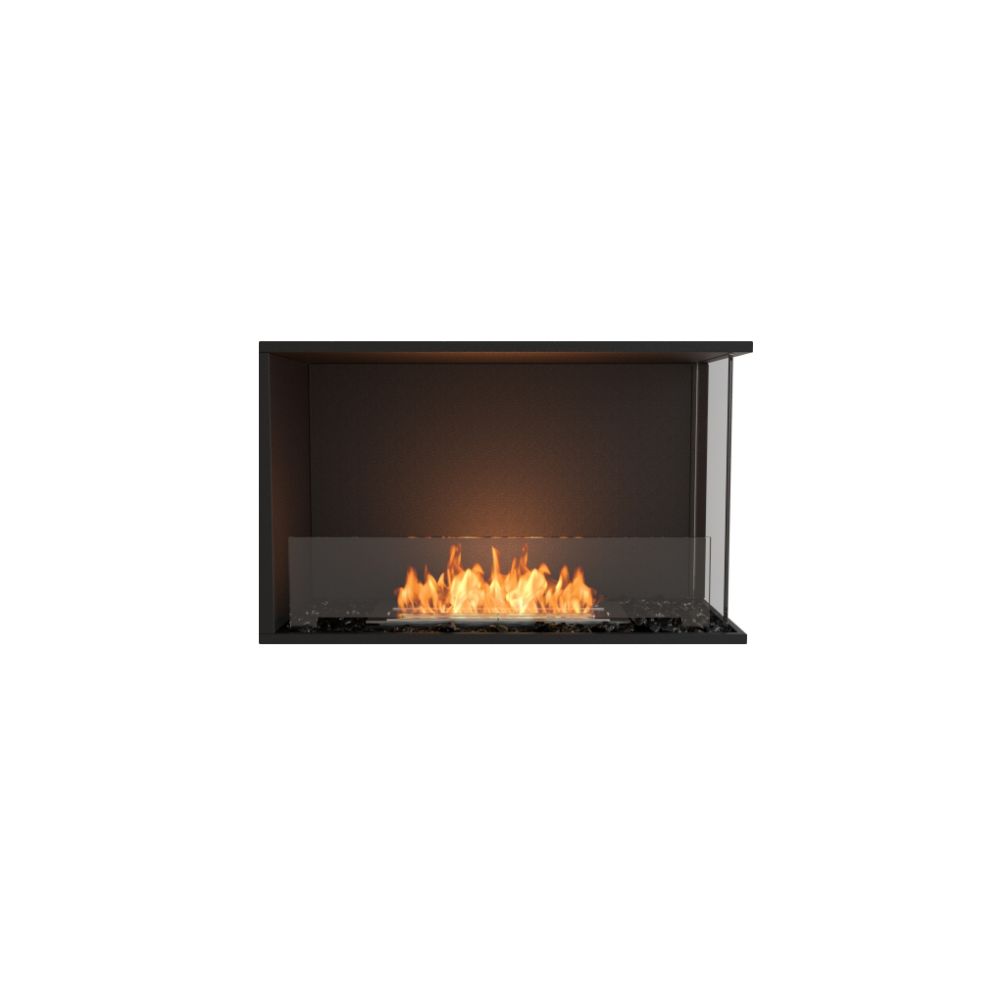
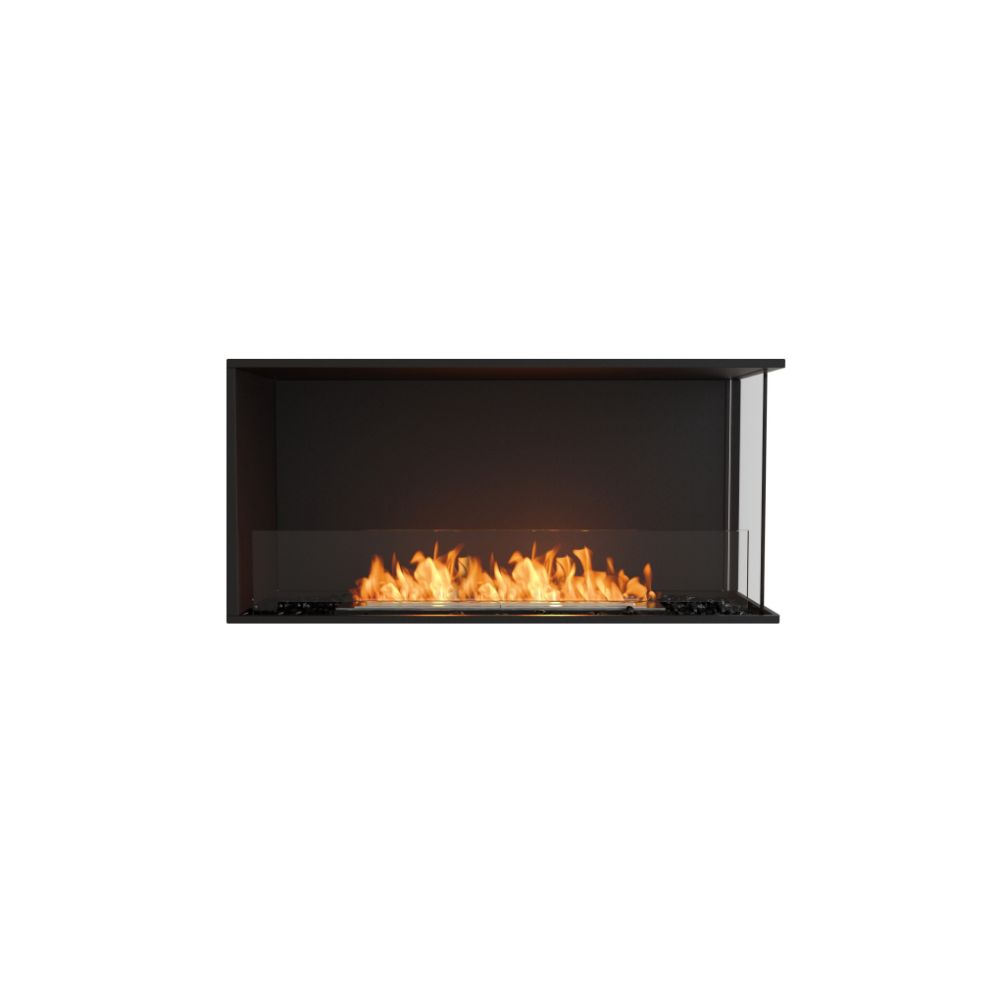
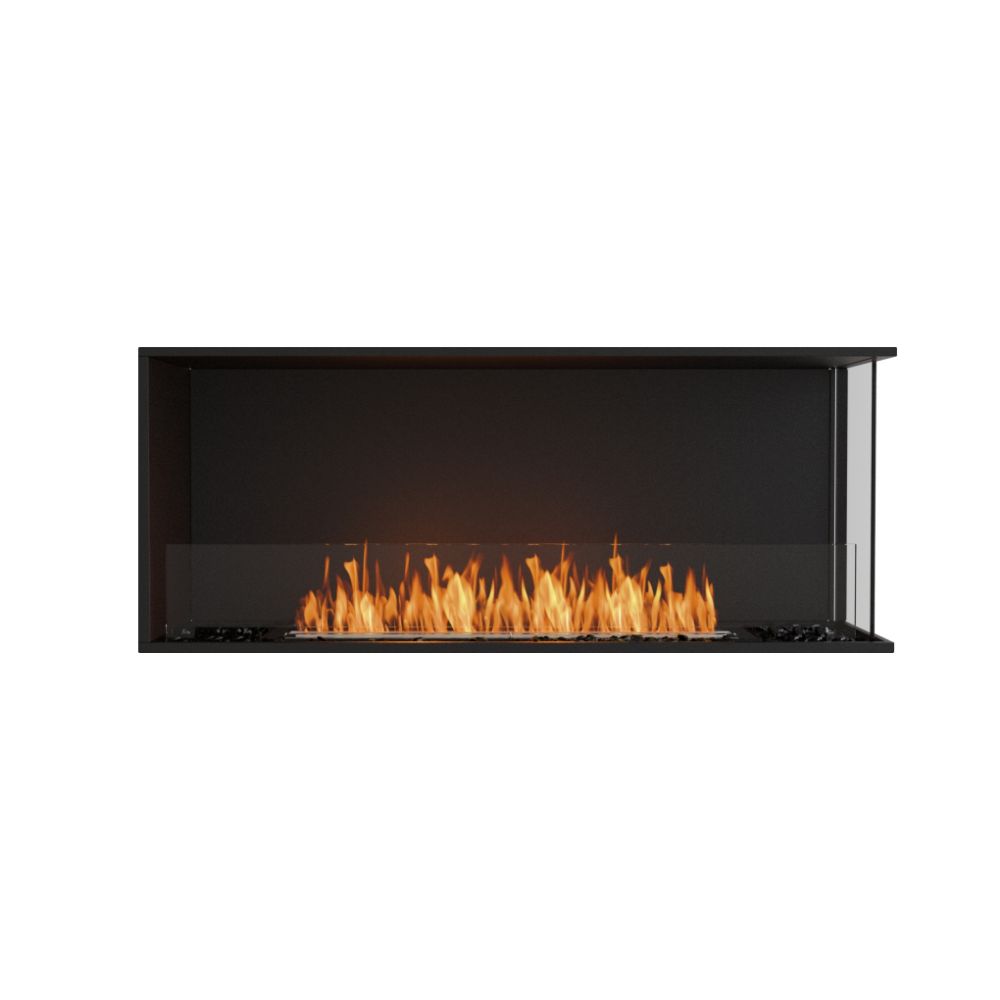
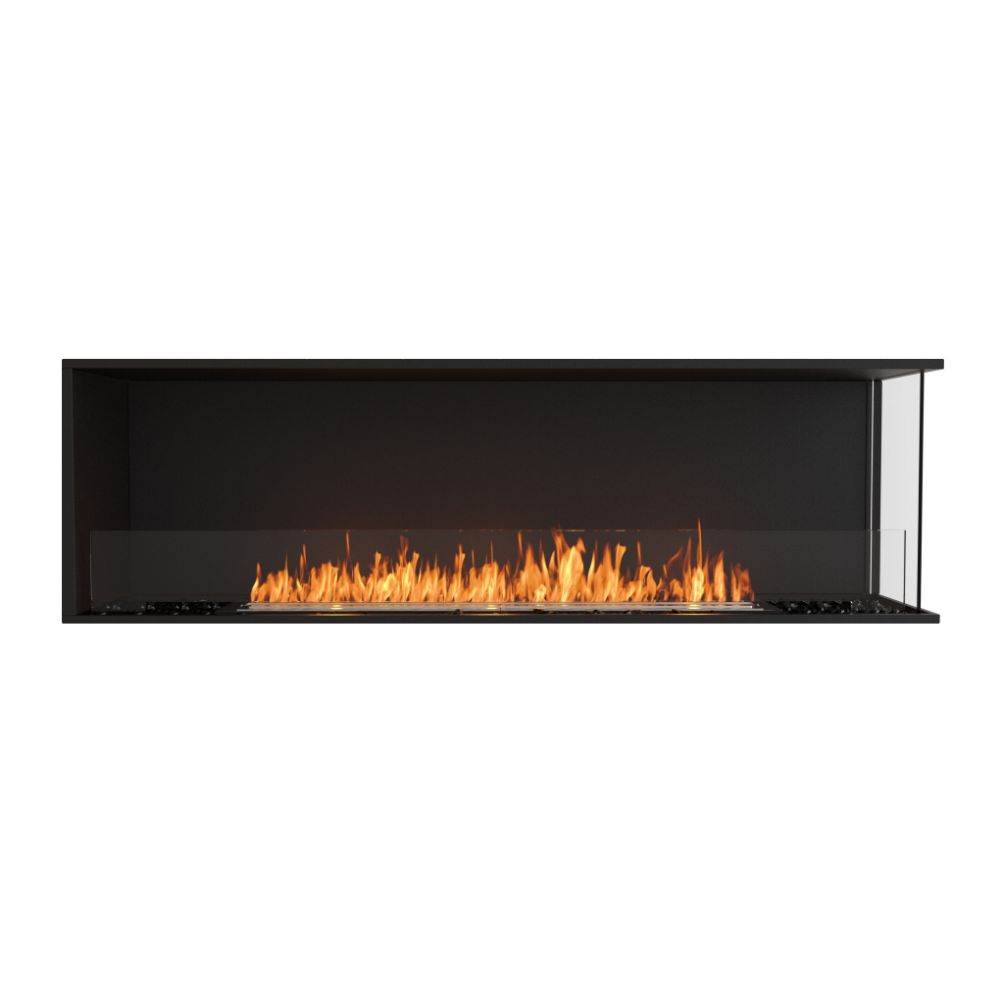
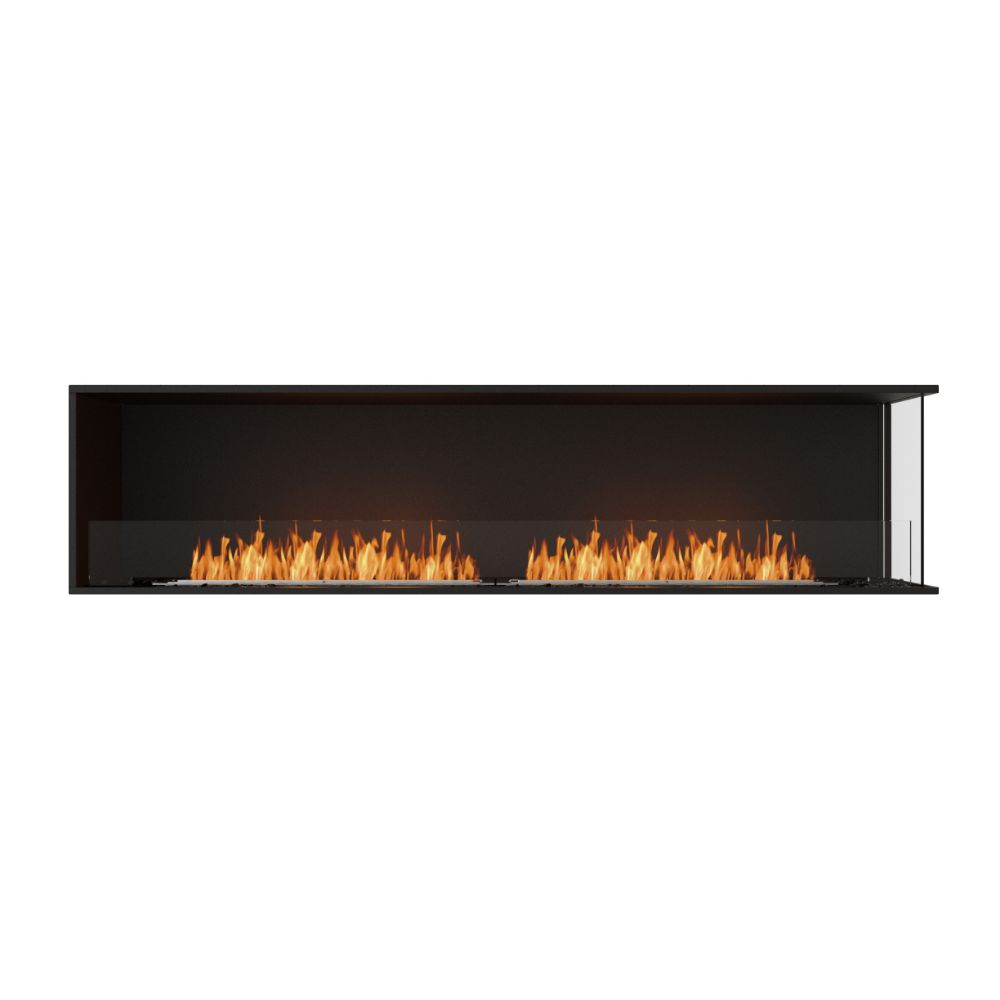
Corner Ethanol Fireplaces
A corner ethanol fireplace is viewed from 2 sides at a 90° angle, recessed into a wall corner with glass on either the left or right side. Left and right corner configurations are mirror images of each other — the orientation is determined by the corner layout of the room.










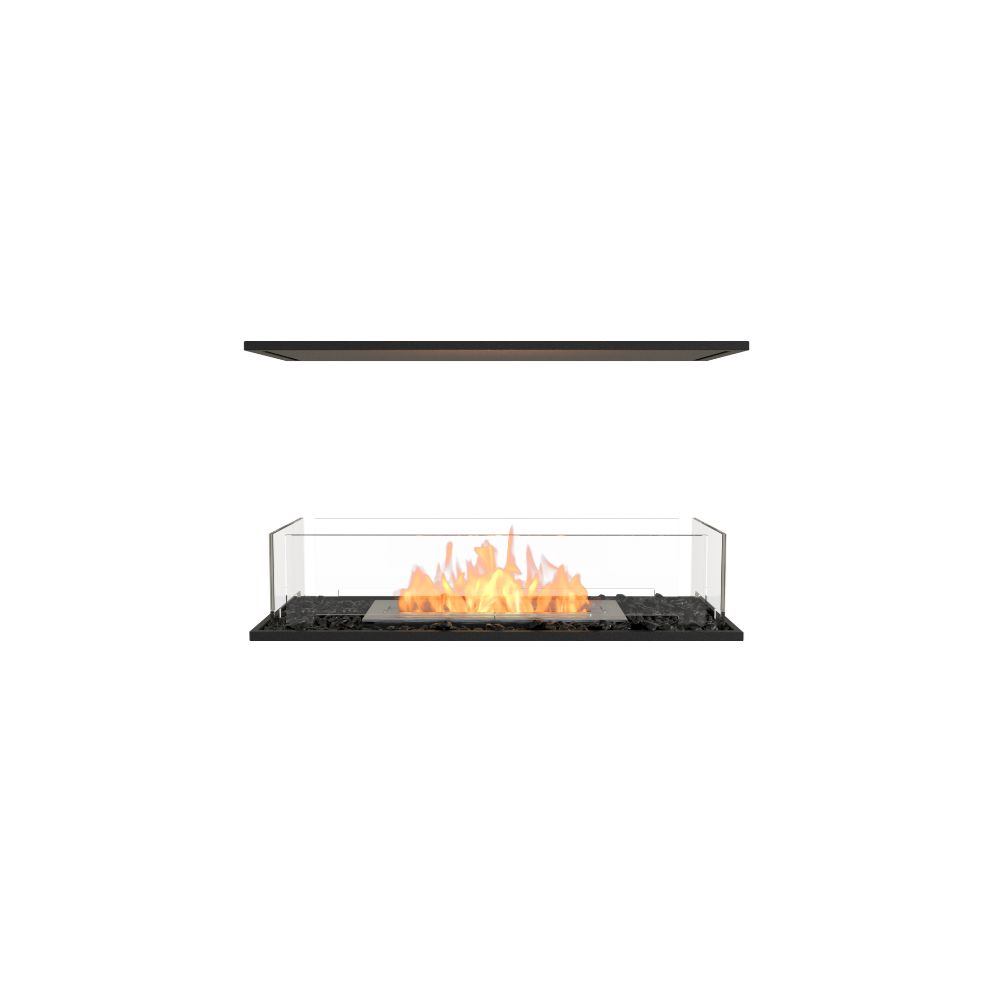
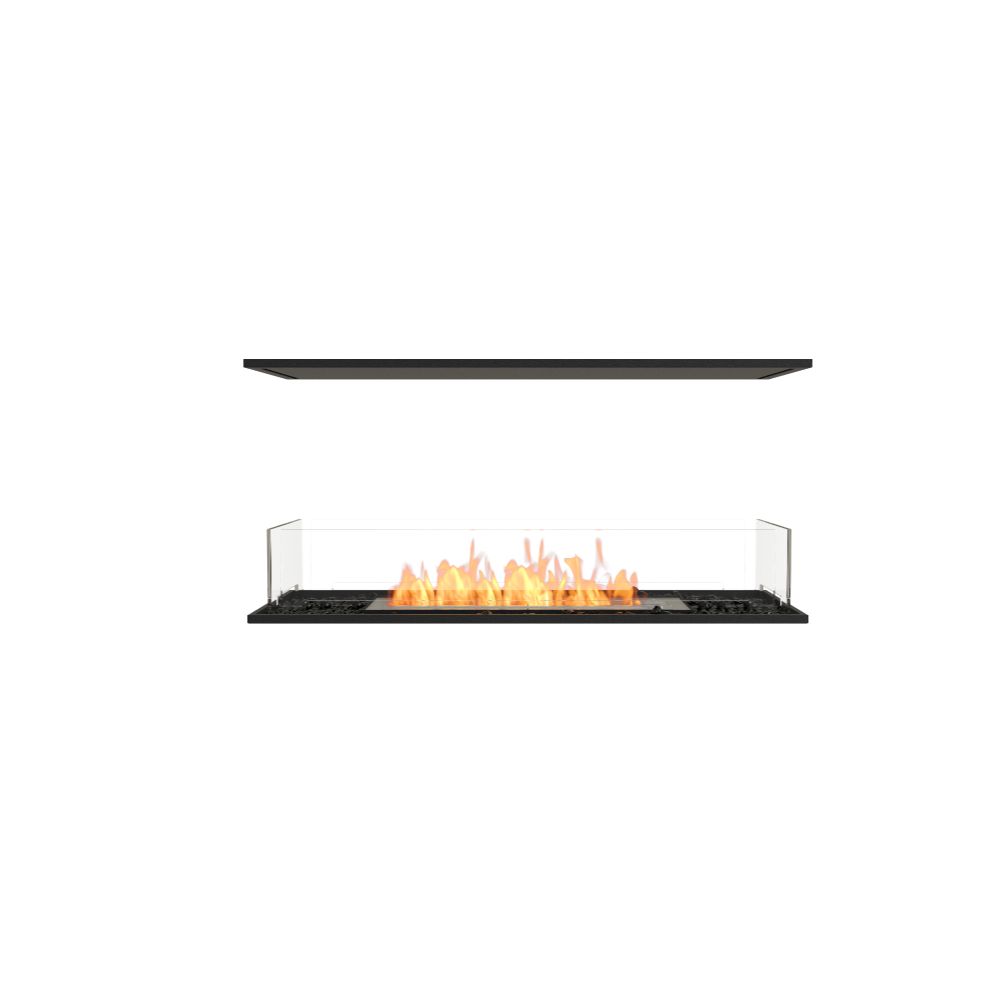
Four-Sided Ethanol Fireplaces
A four-sided ethanol fireplace is viewed from all 4 sides, installed as an island built-in independent of any wall. Suited to open-plan living spaces, hotel lobbies, and commercial interiors where the fireplace functions as a 360° architectural centrepiece.


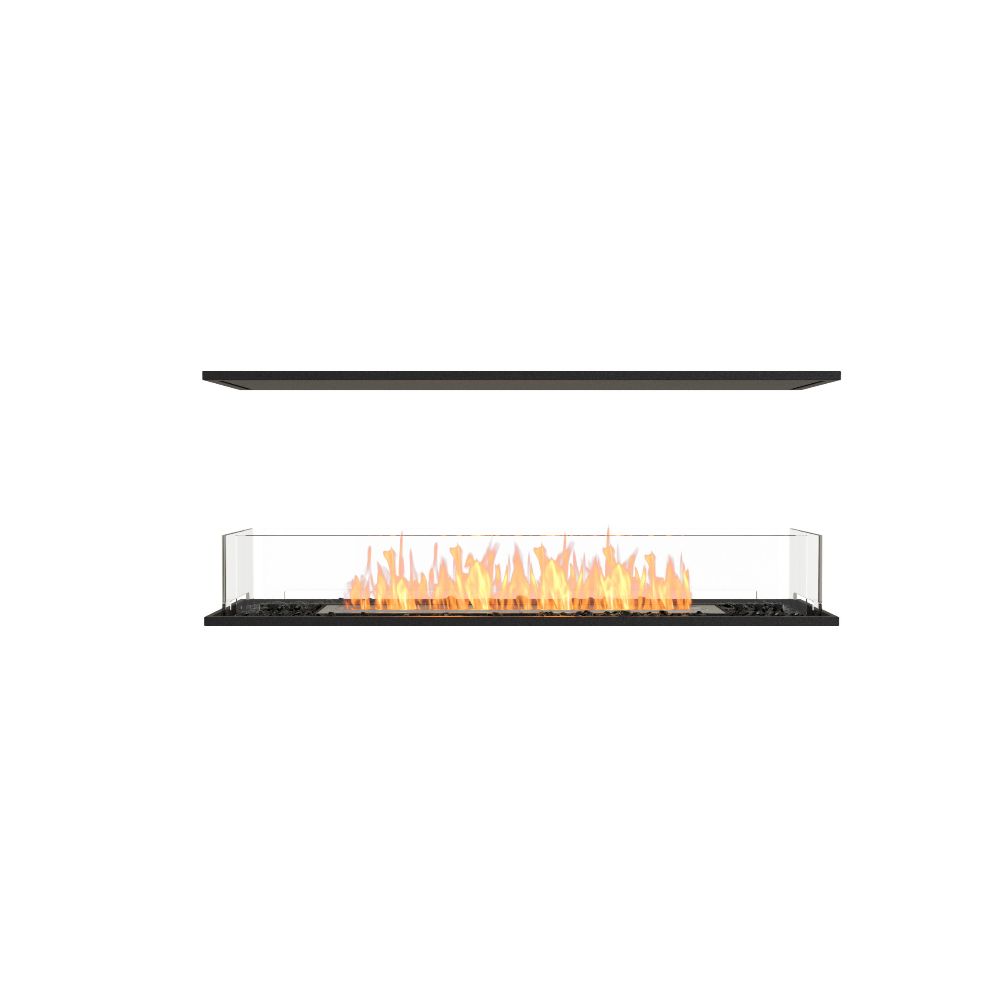

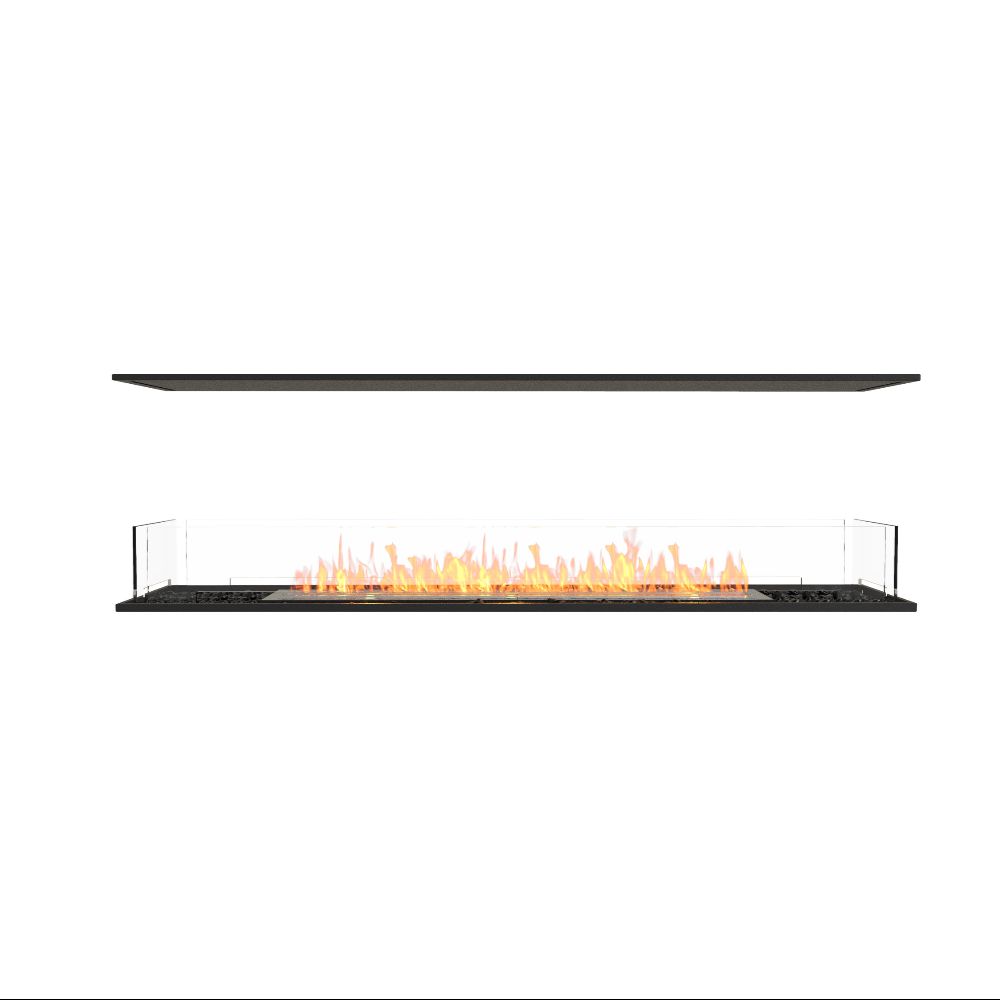

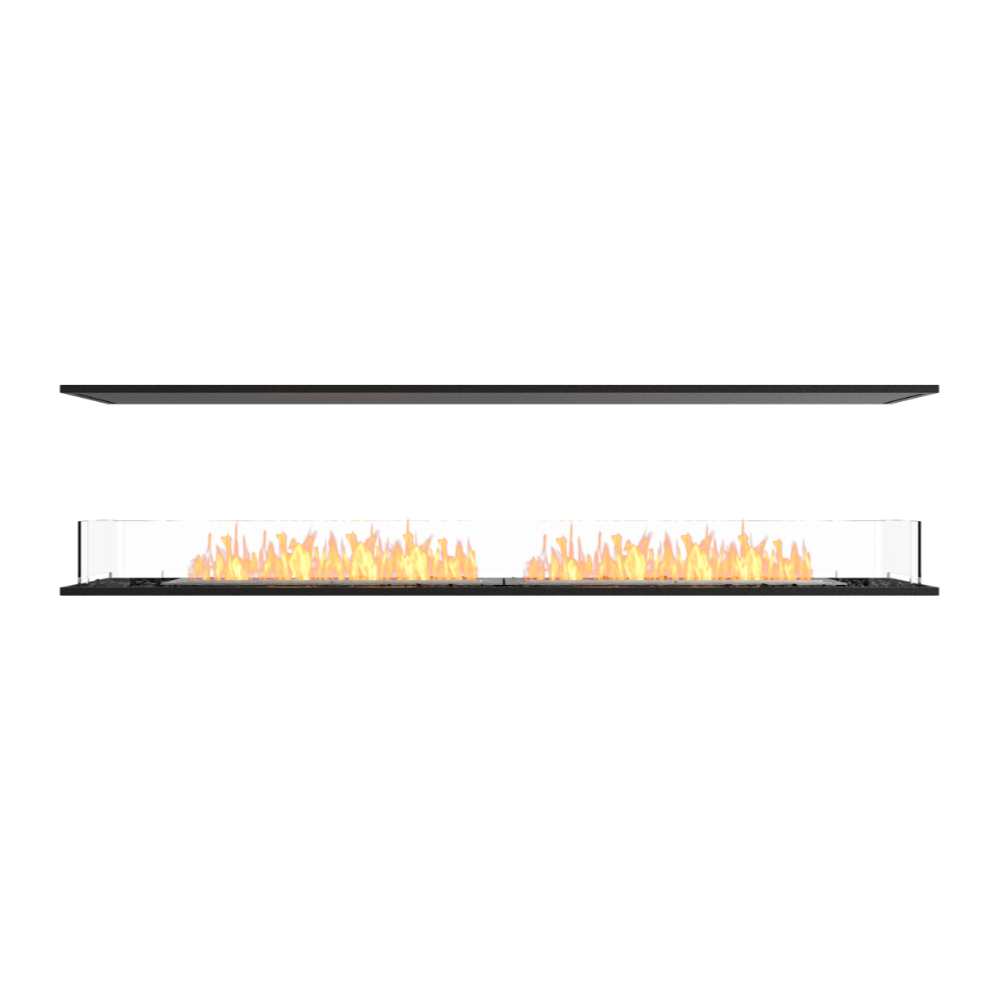

Chama Projects


Ethanol Fireplace FAQ
A bioethanol fireplace is a ventless fireplace that burns liquid bioethanol fuel to produce a real flame without requiring a chimney, gas line, or electricity.
Bioethanol is a renewable liquid fuel produced by fermenting sugar and starch components from plant by-products like sugarcane, corn, or grains.
An ethanol fireplace works by burning bioethanol fuel in a special container with a controlled opening, producing a real flame that generates heat through combustion.
Pros include no venting required, design flexibility, clean burning, and easy installation; cons include lower heat output than traditional fireplaces, higher fuel costs, and the need for refueling.
Yes, ethanol fireplaces produce noticeable heat, though they function best as secondary rather than primary heat sources.
Ethanol fireplaces cost approximately $2-$5 per hour to operate, making them more expensive than gas but less expensive than wood when considering overall costs.
Ethanol fireplaces are very safe when properly installed, used according to manufacturer guidelines, and operated with appropriate fuel in adequately sized, ventilated rooms.
While ethanol fireplaces don't need direct venting, they should be used in well-ventilated rooms with adequate air circulation as they consume oxygen and produce some water vapor and carbon dioxide.
Ethanol fireplaces are very easy to install compared to traditional options, with freestanding models requiring no installation and built-in models needing only basic framing without complex venting or utility connections.